
Space Seed Holdings and Gifu University Identify Eight Seaweed-Derived Compounds That May Reverse Spaceflight-Associated Gene-Expression Changes
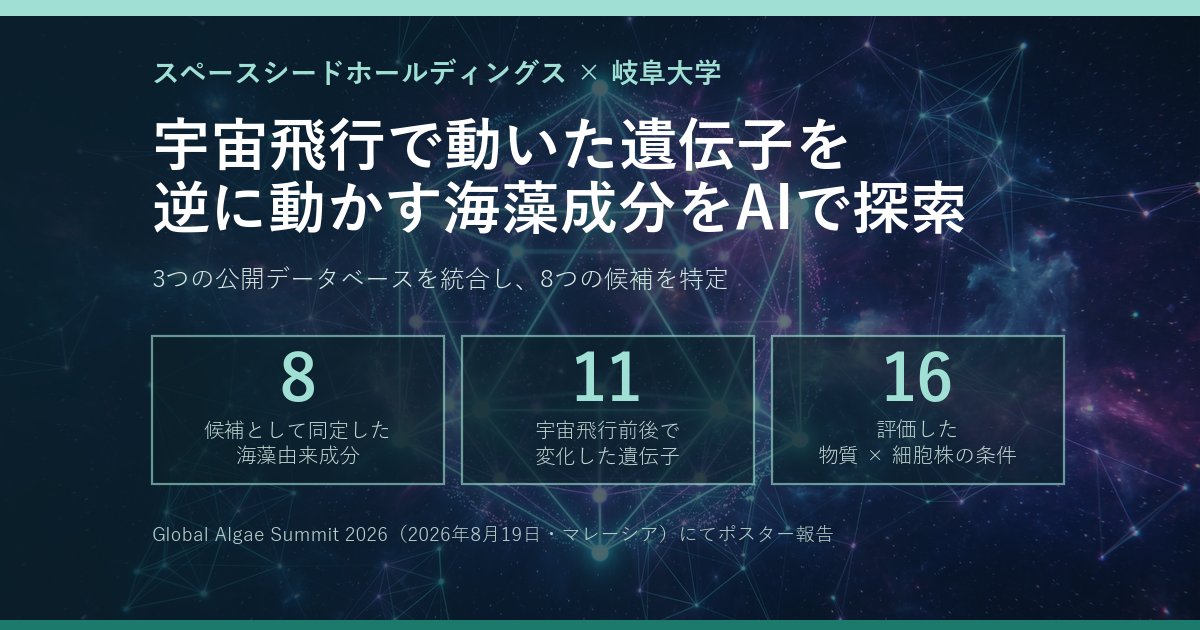
Space Seed Holdings Inc. (Headquarters: Minato-ku, Tokyo; Representative Director and CEO: Kengo Suzuki; “SSHD”) and Gifu University used public databases to search for seaweed-derived compounds that may shift spaceflight-associated changes in human blood gene expression in the opposite direction, and extracted eight compounds as candidates for experimental verification. Generative AI was used in the process of reconciling and integrating information from three public databases spanning different research fields.
Staying in space is known to cause changes in the body that share features with aging, and foods and supplements that help mitigate these effects are anticipated. In this study, public data were combined to search for compounds that might reverse spaceflight-associated gene-expression changes, narrowing down the candidates to prioritize in future experiments.
*The results are exploratory and intended for prioritizing experimental verification. They do not indicate the efficacy or safety of any compound in humans, or whether it can be added to foods.
Background: challenges in using public data
Human gene-expression data before and after spaceflight, gene-expression changes when compounds are added to cells, and chemical information on seaweed-derived compounds are each available from public databases. However, these databases manage compound names, genes and other identifiers under different systems, and cross-referencing them requires specialist knowledge and a great deal of work.
In particular, matching seaweed-derived compounds to compound-treatment gene-expression data and comparing them with spaceflight-associated changes has been a bottleneck in narrowing down candidates. In this analysis, generative AI was used to reconcile the databases and build the analysis pipeline. At the same time, the rules used to select candidates were kept as simple as possible and organized so that the procedure can be traced, so that the search using public data was carried out with reproducibility in mind.
Analysis overview
Without adding complex branches or corrections, candidates were selected according to three principles: matching across databases, extracting differentially expressed genes, and judging by the direction of expression change. The whole pipeline—from data acquisition through compound-name matching to score calculation—was built and run with generative AI. All data used were obtained from public URLs.
The three public databases
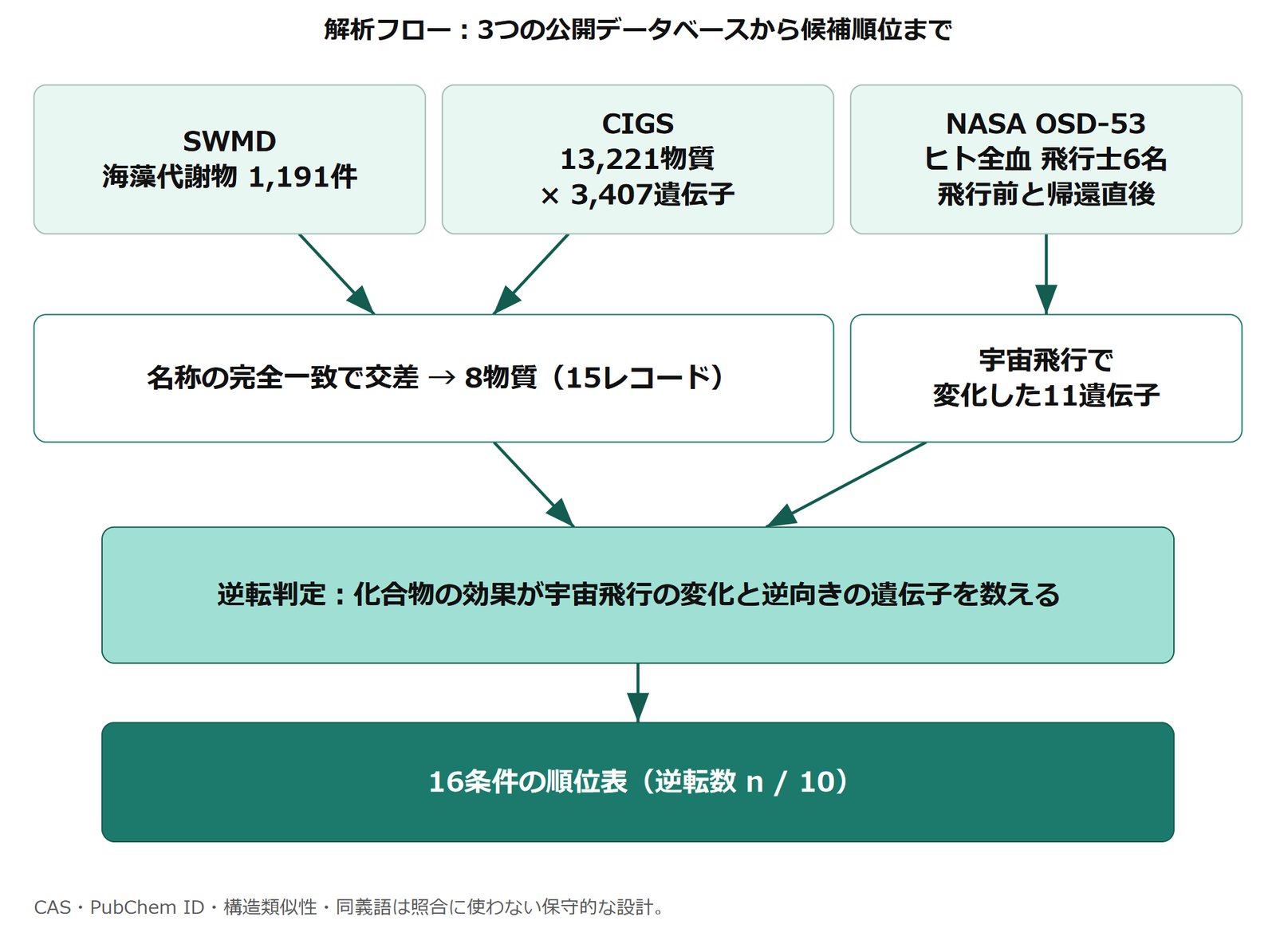
- SWMD (Seaweed Metabolite Database): a database of metabolites found in seaweeds. Its 1,191 public records were used as the search space for seaweed-derived compounds.
- CIGS (Chemical-Induced Gene Signature): a database of gene-expression changes when compounds are added to cells. Expression data for 3,407 genes were used for 13,221 compounds in total—11,356 from MCE and 1,865 from TCM—in the HEK293T and MDA-MB-231 cell lines.
- NASA OSD-53 / GEO GSE47126: gene-expression data from the whole blood of six astronauts (four men, two women). For each individual, data from ten days before launch and immediately after return were compared to assess spaceflight-associated changes.
Procedure
- Compound names were converted to upper case with non-alphanumeric characters removed, and only exact string matches were accepted. CAS numbers, PubChem IDs, structural similarity and synonym expansion were not used. This may miss candidates but avoids ambiguous chemical identification. As a result, 15 records matched, yielding eight unique compounds.
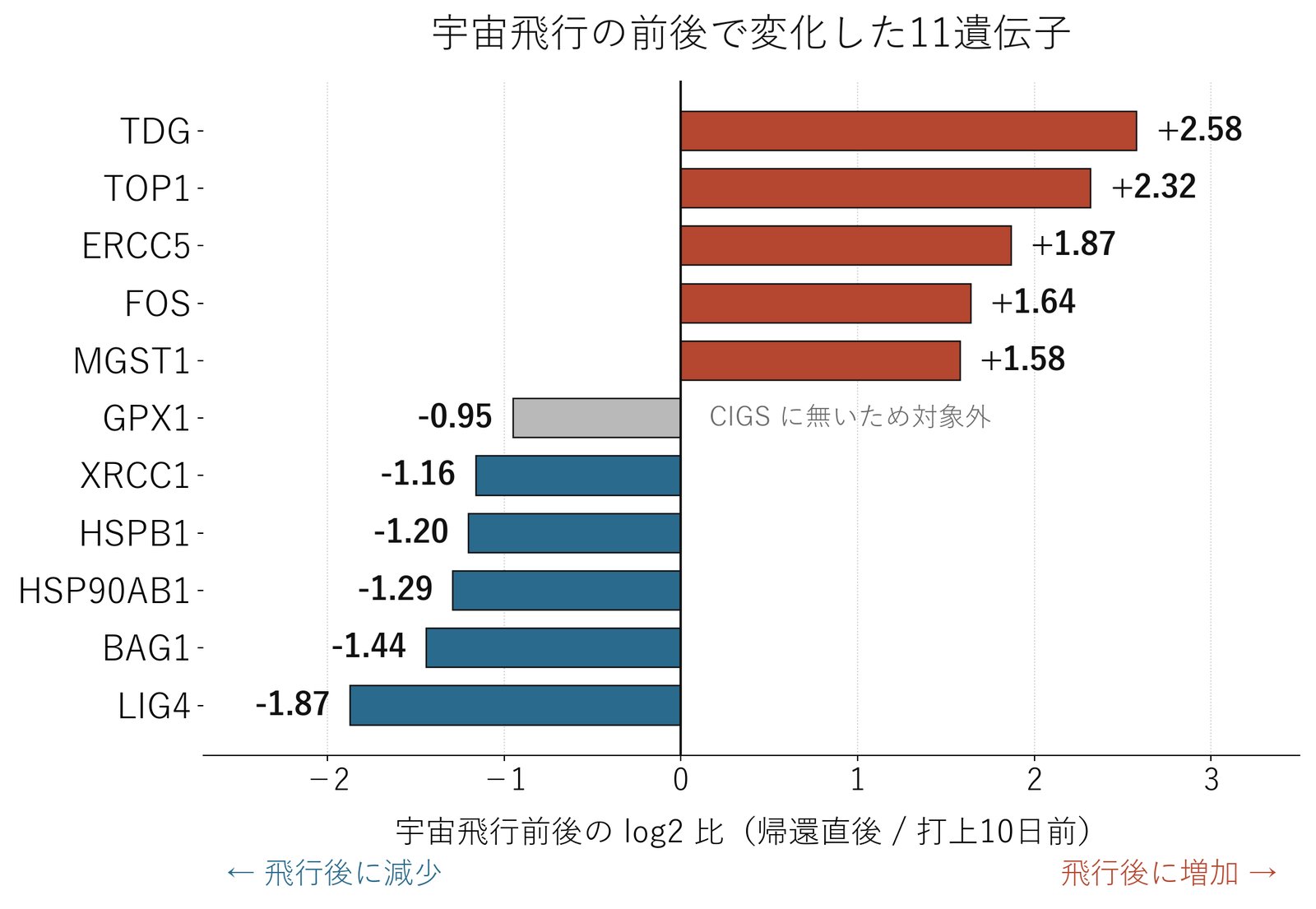
- Next, genes with an adjusted p-value below 0.05 were extracted from the pre- and post-flight expression data. This gave 11 genes that changed significantly with spaceflight, of which the 10 also measured in CIGS were used in subsequent analysis.
- Finally, the direction of each compound’s expression change was compared with that of the spaceflight-associated change. For genes upregulated by spaceflight, downregulation by the compound was judged a reversal, and vice versa for downregulated genes. The number of genes showing reversal was counted for each compound–cell line combination, and candidates were ranked by that number.
Eleven genes that changed with spaceflight
Comparing whole-blood gene expression in the six astronauts ten days before launch and immediately after return showed significant changes in 11 genes. These include genes involved in DNA repair (ERCC5, LIG4, TDG, TOP1, XRCC1), genes related to molecular chaperones (BAG1, HSP90AB1, HSPB1), and genes involved in the response to oxidative stress (GPX1, MGST1)—all of which play important roles when cells cope with various stresses.
However, these are genes related to stress responses associated with spaceflight, not a gene set specific to aging. The results of this analysis therefore cannot be taken to mean that the candidates have anti-aging effects.
Results: eight candidate compounds
The eight compounds obtained by matching SWMD and CIGS are:
- Apigenin
- Cholesterol
- Fucosterol
- Fucoxanthin
- Phytol
- Protocatechualdehyde
- Stigmasterol
- Vanillin
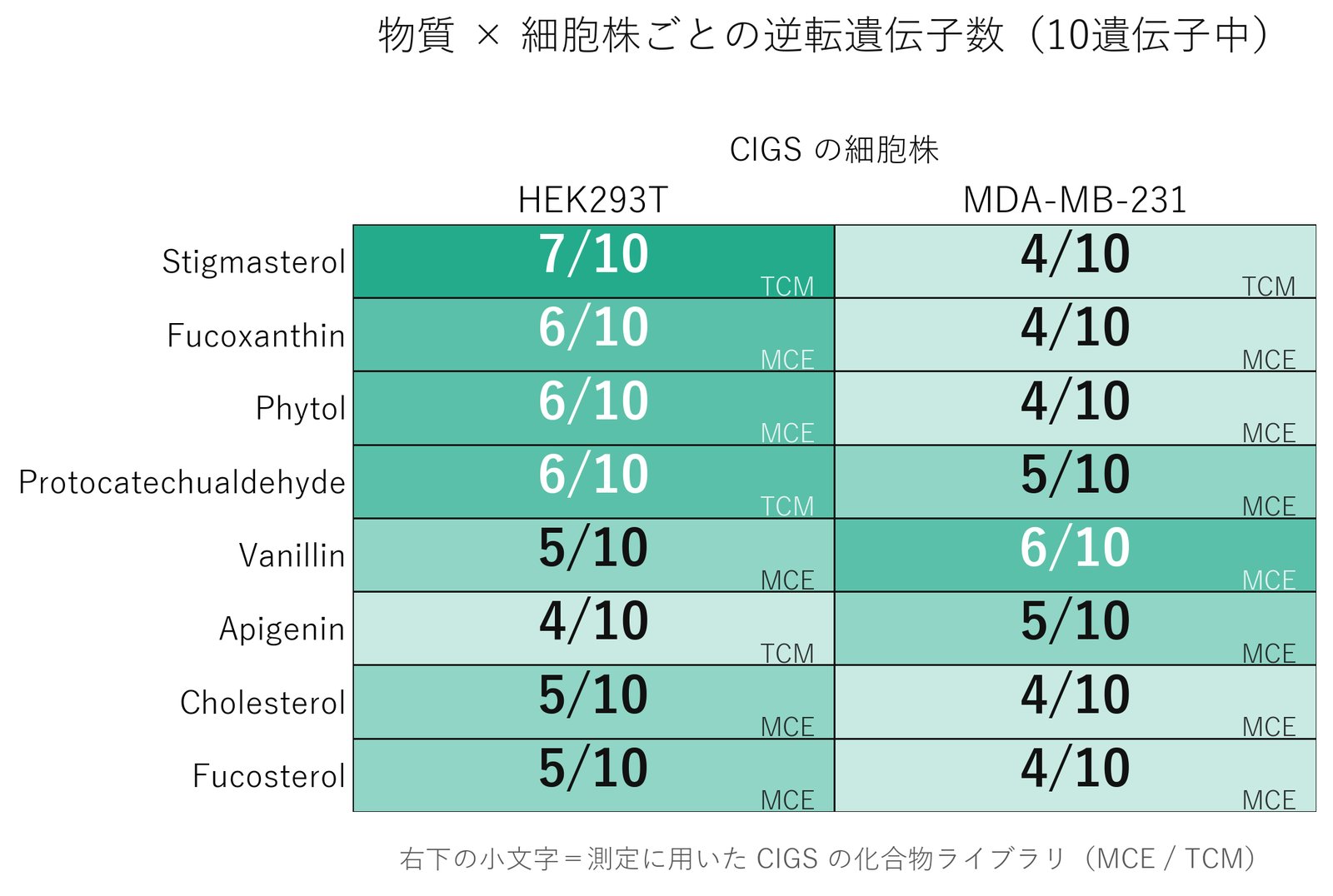
For these compounds, the number of genes changing in the direction opposite to spaceflight was compared. Stigmasterol showed reversal in the most genes—7 of the 10 target genes in HEK293T cells. Fucoxanthin, phytol, protocatechualdehyde and vanillin followed, each with reversal in 6 of 10 genes.
Fucoxanthin as a notable seaweed-derived candidate
Among the candidates, fucoxanthin is a carotenoid characteristic of seaweeds. Because it showed reversal in a relatively large number of genes and is distinctive as a seaweed-derived compound, it is one of the candidates of interest for future experimental verification and material development.
On the other hand, sterols, including stigmasterol, which showed reversal in the most genes, are widely distributed in living organisms. Even with a high score in this analysis, it would not be appropriate to position them as compounds specific to seaweed.
Results also differed by cell line for the same compound. For example, vanillin showed reversal in 6 of 10 genes in MDA-MB-231 cells and 5 of 10 in HEK293T cells. This suggests that evaluations may differ by cell type and that a single score is not sufficient to assess a compound’s action. The scores count only whether the direction of expression change matches; they do not indicate strength of effect or efficacy in the body.
Presented at Global Algae Summit 2026
The results were presented as a poster at Global Algae Summit 2026, an international conference held at Sunway University, Malaysia, on August 19, 2026. The conference was organized by Leave a Nest Malaysia under the theme “The Algae Frontier: Catalysing Value and Impact.”
Next steps
This analysis used public data to narrow down candidates that may shift spaceflight-associated gene-expression changes in the opposite direction. Using these results as a starting point, experimental verification with real cells is needed.
First, using the same cell lines as in CIGS, the team will examine how gene expression changes with the concentration and treatment time of each candidate, and assess the reproducibility of the results by re-measuring the 10 target genes with qPCR or RNA-seq. Verification using cells important for examining responses in the human body, such as peripheral blood mononuclear cells and vascular endothelial cells, could follow.
In parallel, multiple public datasets need to be used to assess whether the direction of spaceflight-associated changes is consistent, and whether changes in blood cell composition affect the results. When considering applications in foods or supplements, content in foods, purity of extracts, stability, interactions with other components and acceptable intake will need to be evaluated separately. By combining searches based on public data with experimental verification, the team will deepen its understanding of the biological changes associated with spaceflight.
Comment
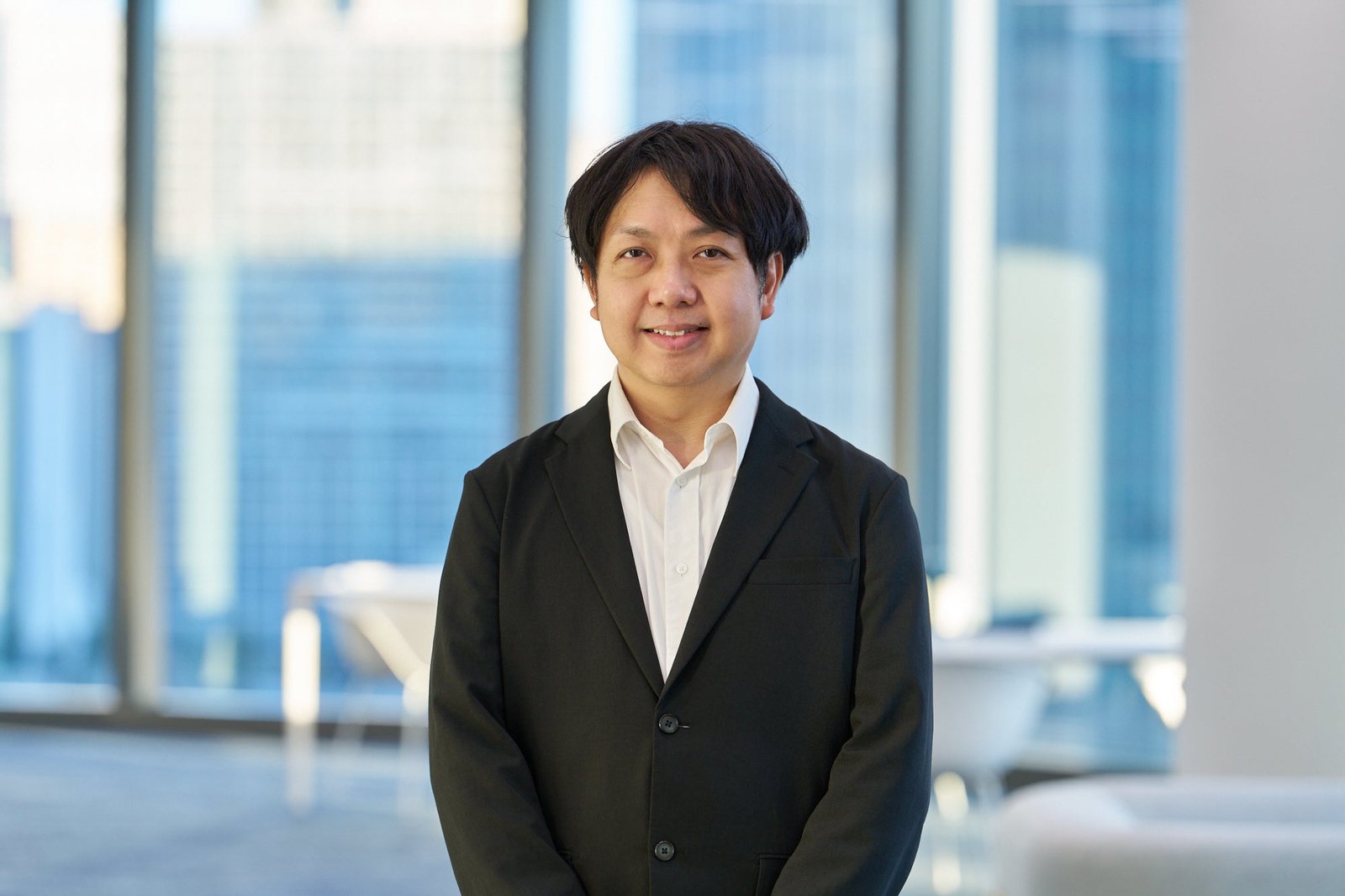
“Using only publicly available data, we were able to narrow down to eight the seaweed-derived compounds that may move spaceflight-associated gene-expression changes in the opposite direction. Cross-referencing databases from different fields used to take a great deal of time and effort, but generative AI allowed us to carry out those steps efficiently. Making clear which candidates to test before starting experiments—I believe these results are a useful starting point for that. Fucoxanthin in particular, while characteristic of seaweed, also scored relatively high in this analysis. Finding a candidate connected to our work on algae-derived materials is significant for the verification ahead. From here, we will confirm each result one by one with real cells, including differences by concentration and treatment time, combining searches using public data with experimental verification.”
—Kengo Suzuki, Representative Director and CEO, Space Seed Holdings Inc.
About Space Seed Holdings Inc.
Space Seed Holdings Inc. is a space-focused deep-tech venture builder whose mission is “Turning science fiction into nonfiction.” Through investment, research and venture creation—centered on operating the “Fermentation and Longevity Fund” program, which supports the social implementation of fermentation and longevity technologies—the company creates businesses that address societal challenges. Together with diverse stakeholders, it aims to assemble by 2040 the technologies humankind needs to live in space.
https://ss-hd.co.jp/