
Space Seed Holdings Presents at Global Algae Summit 2026 in Malaysia
Space Seed Holdings Inc. (Headquarters: Minato-ku, Tokyo; Representative Director and CEO: Kengo Suzuki; “SSHD”) took part in Global Algae Summit 2026, an international conference on microalgae held at Sunway University, Malaysia, on August 19, 2026, and presented a poster on a concept for autonomously culturing microalgae in orbit (poster P55).
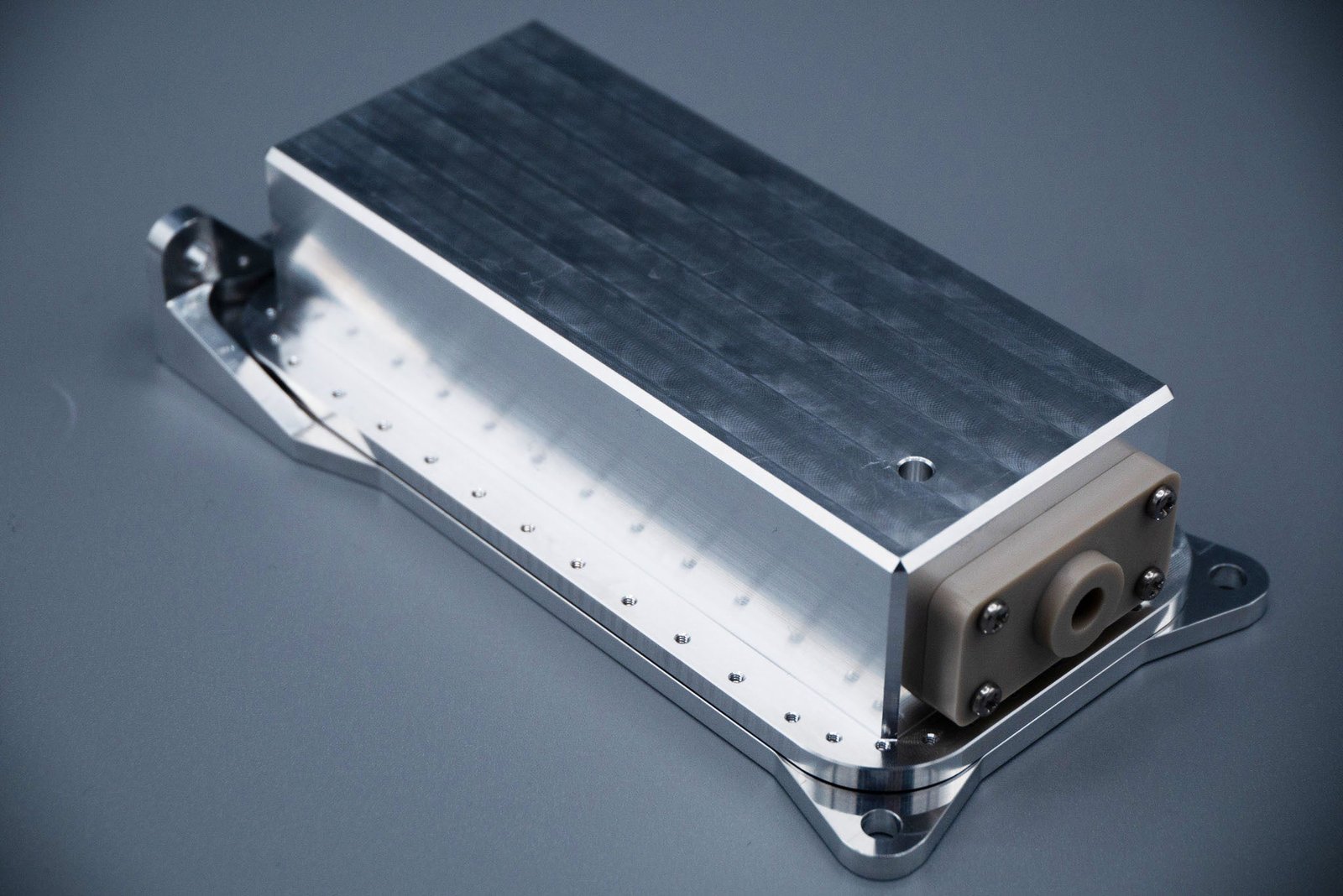
The presentation showed a design for implementing “SpaceAgent,” a platform built around a large language model (LLM) that conducts experiments autonomously, on a 6U (about 6 liters) ultra-small orbital experiment unit. Kengo Suzuki also presented research that uses AI to search public omics data for algae-derived compounds acting on gene-expression changes associated with spaceflight (poster P56).
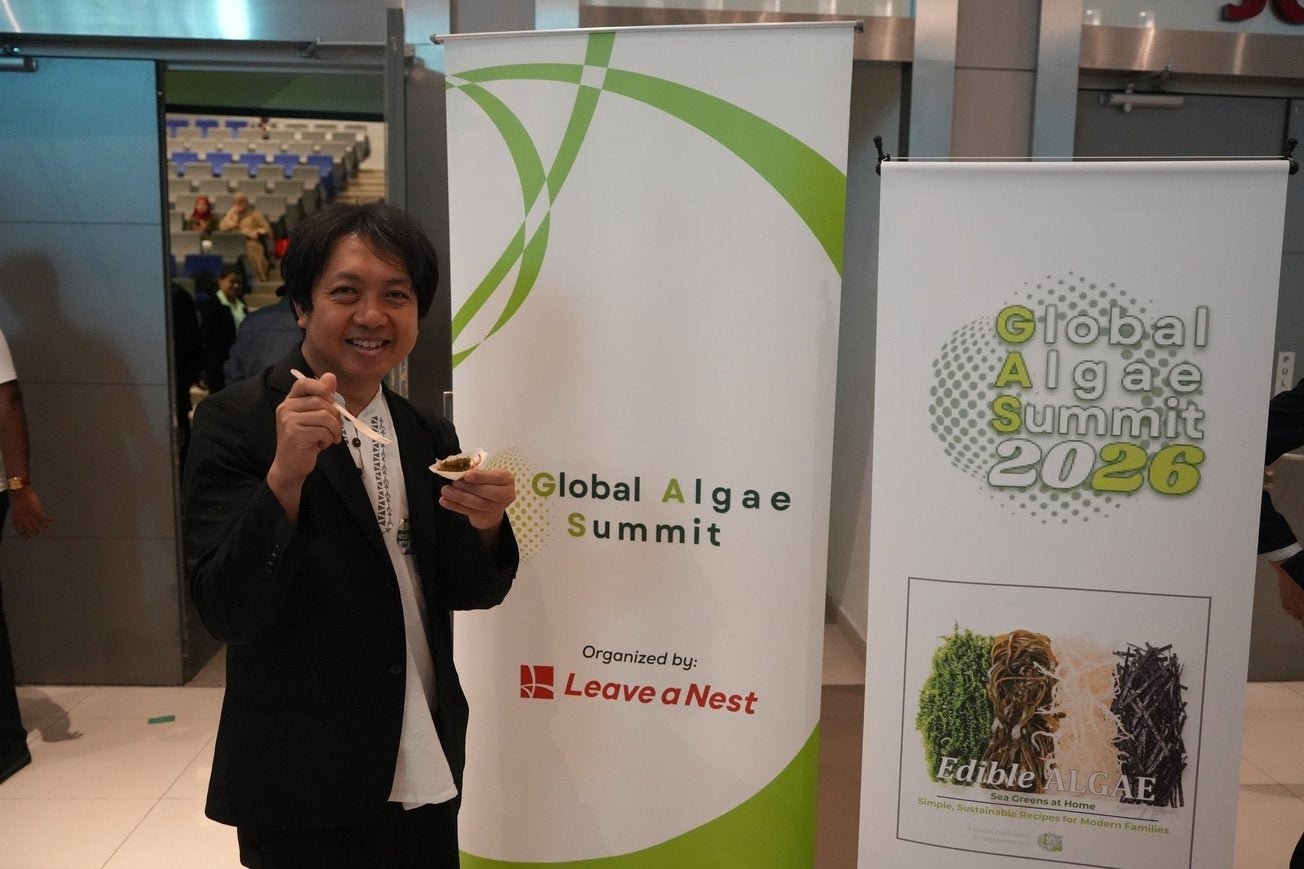
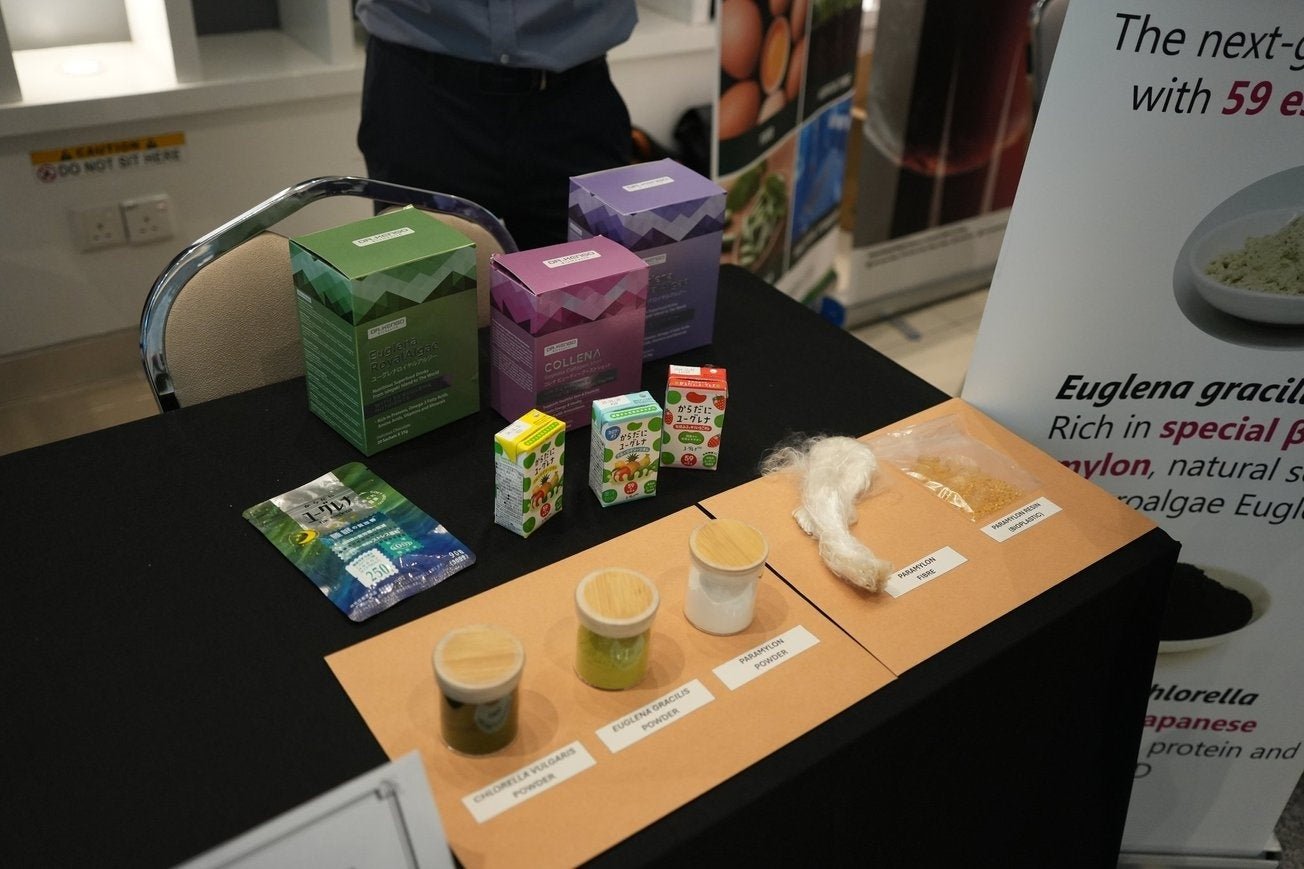
Global Algae Summit 2026 was organized by Leave a Nest Malaysia and co-hosted by Euglena Malaysia and Sunway University under the theme “The Algae Frontier: Catalysing Value and Impact.” It focused on how to connect research and technology to solutions at a scale that can actually be used, and featured 62 poster presentations. This was SSHD’s second consecutive year of participation, following 2025.
The potential of microalgae in space
In a closed habitat, microalgae close three loops at once: they fix carbon dioxide and release oxygen, turn light and surplus nutrients into edible biomass, and leave the rest as feedstock for materials. When humans live outside Earth for long periods, being able to provide oxygen, food and materials with a single kind of organism matters greatly, and microalgae are a central candidate for life support.
Yet how algae grow over several weeks under microgravity, what they accumulate in their cells and how they respond to stress have hardly been measured. Opportunities for orbital experiments are rare, and because the procedure is fixed for each flight, it is difficult to intervene flexibly from the ground if problems arise during an experiment.
These constraints arise structurally from three factors:
- Thin, intermittent communication: uplinks to small satellites run at kilobits per second and have periods of interruption. Experiments cannot be advanced by sending commands from the ground one step at a time.
- Ground procedures do not carry over: in weightlessness, buoyancy disappears, so bubbles do not rise and gravity-fed liquid handling does not work.
- Images are cheap to take but expensive to send: most raw observation images contain no information that would change a decision.
Aiming to put the experimenter in orbit
SpaceAgent, presented by SSHD, is a platform that serves as the operating system of the laboratory. A single multimodal AI registers different types of experiment modules (observation, liquid handling, environmental control, analysis) through one logical interface and drives them from a single fused reasoning process. This differs from the conventional approach of stacking independent rules for each module.
Modules that produce information—hypothesis generation, analysis and recording—are registered on an equal footing with modules that move physical things. As a result, even if pH drops temporarily just after culture medium is injected, the AI interprets this as a natural consequence of its own operation and does not flag it as an anomaly.
There are four key points for conducting experiments in space:
- Integrated reasoning: images, environmental data and operation logs are read as one state, rather than judged by per-sensor thresholds.
- Two-axis switching of the reasoning agent: depending on the gravity state and the probability of communication loss, the system switches between making decisions on the ground and on board—the key to making experiments work over thin links.
- Output verification layer: physical limits are fixed beneath the model, and commands exceeding them are clipped and logged, so safety does not depend on the model being correct.
- Dynamic gating: reversible operations are executed autonomously, while irreversible ones wait for ground approval.
Culturing algae is different from culturing animal cells
SSHD’s autonomous experiment platform has been designed with cell experiments as one starting point. The presentation explained why microalgae were chosen as the first payload, by contrast with animal cell culture. When microalgae are grown photoautotrophically, light conditions are what matter. Light intensity, wavelength and light-dark cycles can be controlled electrically, allowing an approach different from pumping reagents.
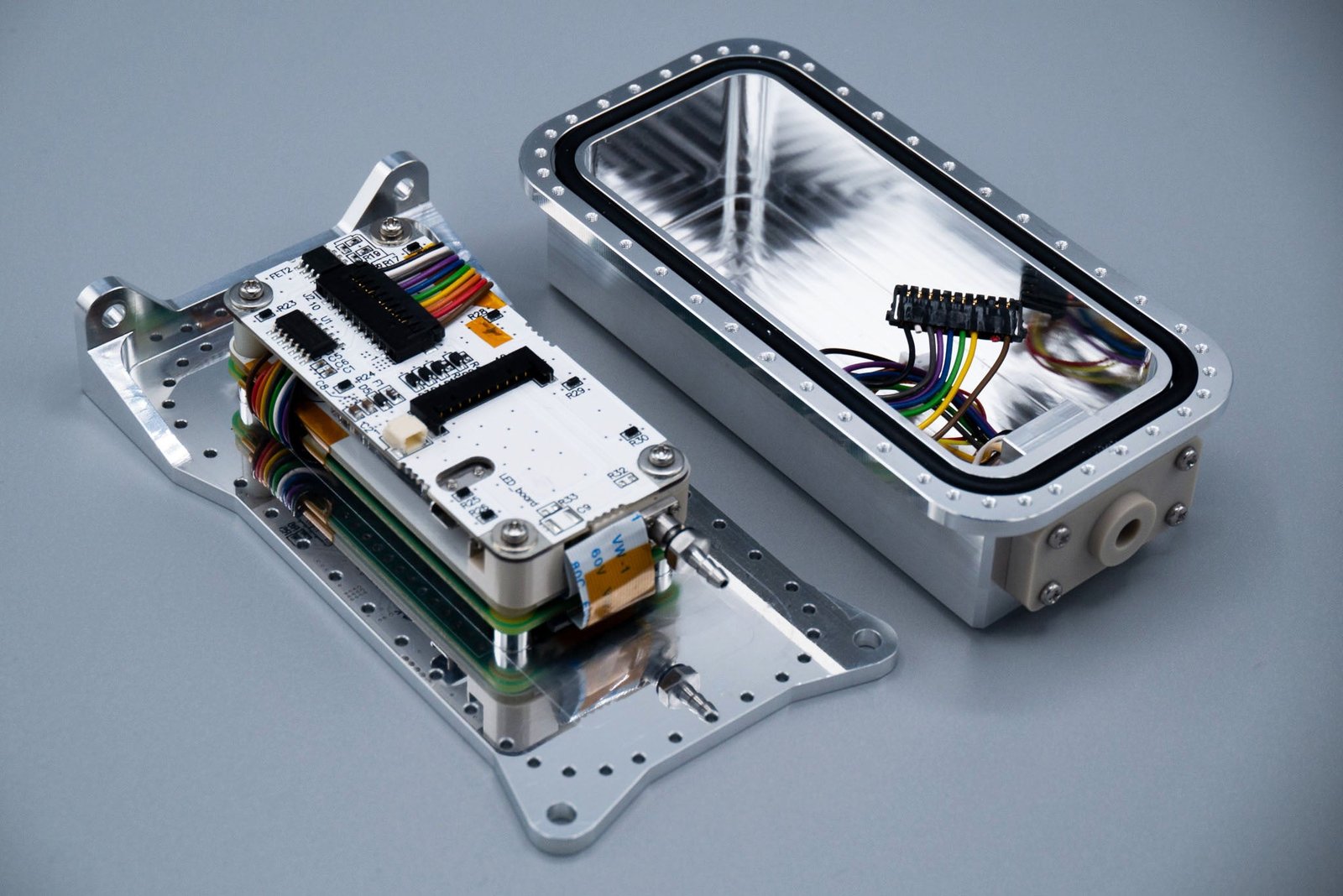
Underlying patent applications
The core technologies of SpaceAgent were filed with the Japan Patent Office on June 10, 2026:
- Japanese Patent Application No. 2026-097380: integrated control apparatus for experiment modules — cross-module control through one common logical interface, two-axis switching of the reasoning agent, and a configuration that treats information modules on an equal footing with physical modules
- Japanese Patent Application No. 2026-097387: integrated autonomous experiment apparatus for cell experiments — liquid handling under microgravity (bubble management and recovery from communication loss), liquid-feed profiles, and division of reasoning between on-board and ground systems
Both applications were filed jointly by four companies: Regenesome Inc., Space Seed Holdings Inc., IDDK Co., Ltd. and Spacenome Inc.
*This announcement concerns the filing of patent applications and does not mean that patents have been granted.
Comment
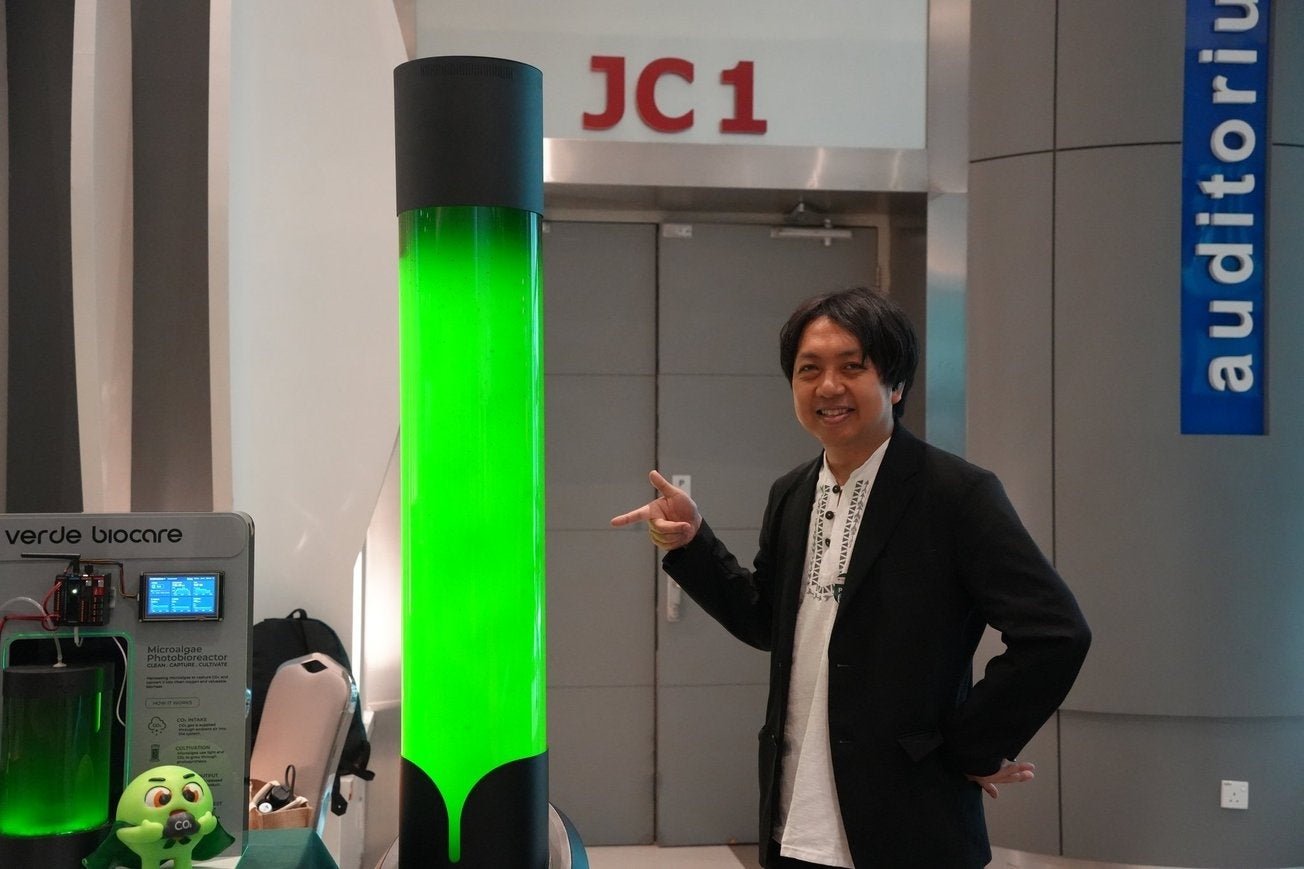
“There is growing understanding that algae could expand the sphere in which humans live, but many people probably have no idea where to start in concrete terms. We plan to begin with culture experiments that can be carried out without people. Orbital experiment equipment, however, not only operates in an environment different from Earth’s but also has limited communication, with lags. That makes it hard to run experiments by sending detailed instructions from the ground step by step—and that is exactly why experiments in orbit need autonomy. Development has many challenges, but we believe what we learn can also be used in research and on production lines on the ground. Our goal of assembling by 2040 the technologies people need to live in space also connects to industry on Earth.”
—Kengo Suzuki, Representative Director and CEO, Space Seed Holdings Inc.
About Space Seed Holdings Inc.
Space Seed Holdings Inc. is a space-focused deep-tech venture builder whose mission is “Turning science fiction into nonfiction.” Through investment, research and venture creation—centered on operating the “Fermentation and Longevity Fund” program, which supports the social implementation of fermentation and longevity technologies—the company creates businesses that address societal challenges.
https://ss-hd.co.jp/