
Kengo Suzuki Joins a Panel Discussion at the 40th Annual Meeting of the Japanese Society for Biological Sciences in Space (Hokkaido University)
Space Seed Holdings Inc. (Headquarters: Minato-ku, Tokyo; Representative Director and CEO: Kengo Suzuki; “SSHD”) announces that Kengo Suzuki took part, as Director of SPACE LAB. at Spacenome Inc. (“Spacenome”), in which SSHD has invested, in the panel discussion “Where Will You Run That Life-Science Experiment? From the Stratosphere to Post-ISS: An Open Design Discussion for ‘Flying’ Research” at the 40th Annual Meeting of the Japanese Society for Biological Sciences in Space, held at Hokkaido University’s Sapporo Campus on Sunday, September 20, 2026.
The Japanese Society for Biological Sciences in Space (JSBSS) brings together researchers who study how life responds and adapts to the environment of space. The 40th meeting, themed “Excited about Space, Thrilled by Life,” was held over four days, September 17–20, 2026. In addition to seven symposia on topics such as the effects of microgravity and space radiation on cells and organisms, plant cultivation in space and the search for life in the solar system, it featured poster presentations, a poster session by elementary, junior and senior high school students, and a public lecture. The panel was the final program of the meeting, held just before the closing remarks.
The panel discussion

- Title: Where Will You Run That Life-Science Experiment? From the Stratosphere to Post-ISS: An Open Design Discussion for “Flying” Research
- Date and time: Sunday, September 20, 2026, 16:00–17:00
- Venue: Auditorium, Clark Memorial Student Center, Hokkaido University
- Organized by: Masahiro Sonoshita (Institute for Genetic Medicine, Hokkaido University; Chair of the Organizing Committee)
Speakers (in the order of the abstracts):
- Keisuke Iwaya, Iwaya Giken Inc.
- Atsuko Homma, Mitsubishi Heavy Industries, Ltd.
- Kazuma Murakami, Aerospace Division, Mitsubishi Corporation
- Shingo Horiguchi, Representative Director and CEO, DigitalBlast Inc. / Representative Director and CEO, SpaceBlast Inc.
- Kengo Suzuki, Director of SPACE LAB., Spacenome Inc. / Representative Director and CEO, Space Seed Holdings Inc.
- Soichiro Ueno, IDDK Co., Ltd.
Venues for space bioscience research are expanding from use of the space environment centered on the ISS to stratospheric balloons, small satellites, autonomous experiment devices and commercial space stations in the post-ISS era. These venues differ not only in altitude but also in gravity, radiation, pressure, temperature, experiment duration, sample return, whether humans can intervene, cost and lead time. Researchers need to choose the venue to fit their scientific question, and sometimes to use several venues in stages or in combination.
In the panel, six people working on transport to the stratosphere, development of space experiment equipment, construction of crewed space facilities and low-Earth-orbit infrastructure, use of commercial space stations, and commercialization of space-environment use introduced their work and outlook. They then discussed three questions with researchers in the audience:
- Which kinds of life-science research suit each venue?
- When researchers conceive a space experiment, what should they consider, and at what stage?
- What is needed to make experiments in the stratosphere and space more frequent and more accessible research tools?
What Suzuki said
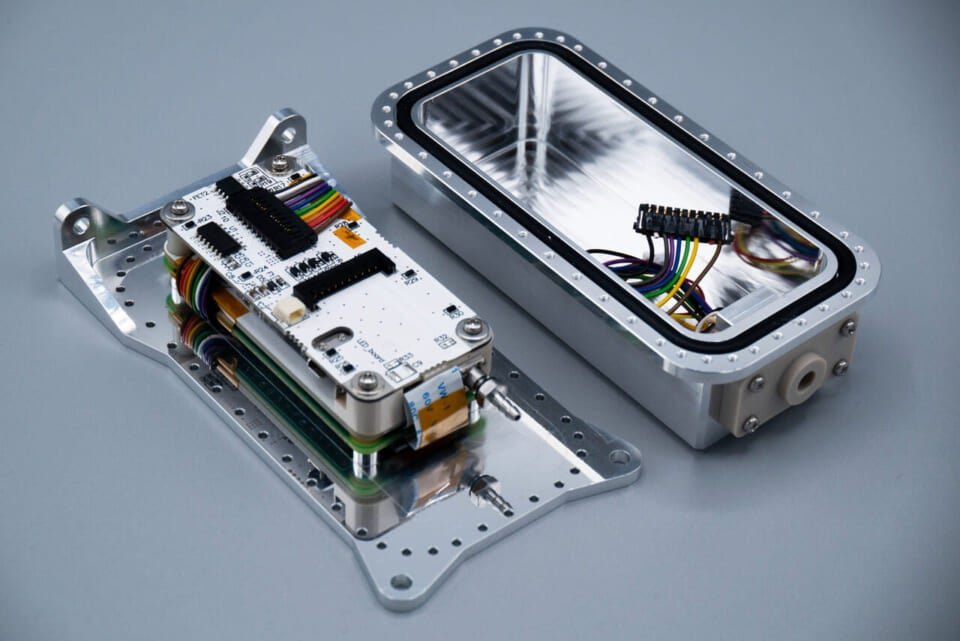
Repeating small experiments quickly in space. As Director of Spacenome’s SPACE LAB., Suzuki introduced its work on space utilization research. SPACE LAB. aims to practice in space the “rapid iteration of small experiments” that is routine in ground research, accelerating the cycle from basic research to social implementation.
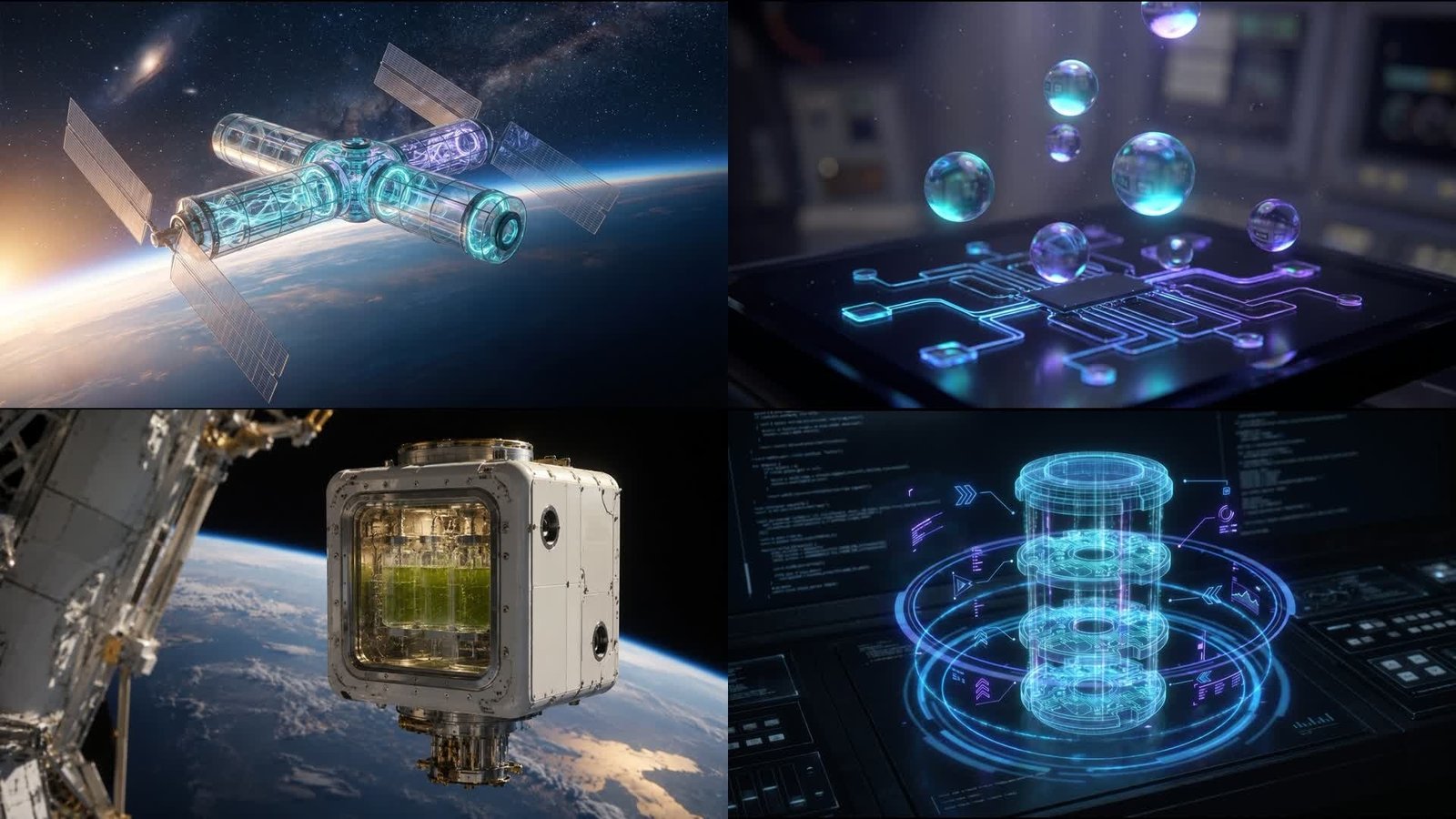
Making the unit of a space experiment smaller with ultra-small experiment modules. As a concrete example, Spacenome plans to fly an ultra-small cell culture module on “AOBA,” a recoverable small satellite that ElevationSpace Inc. plans to launch, to observe how the microalga Euglena moves and multiplies under microgravity. Making the equipment smaller lowers the cost and lead time of each experiment, so the same question can be tested many times. On the ground, secondary school students will culture the same Euglena and compare it with the orbital data, connecting space experiments to education.
A platform that advances experiments autonomously, and space patents. Increasing the number of experiments also requires a system that sets conditions, reads results and takes the next step without waiting for instructions from the ground. SSHD, together with Spacenome, Regenesome Inc. and IDDK Co., Ltd.—which was also on the panel—is conducting R&D related to SpaceAgent, an LLM-centered platform that can conduct research autonomously both in space and on the ground, and the four companies have filed patent applications on the results. Suzuki also spoke about the importance of securing results from space experiments as patents so that researchers and businesses can connect them to their next research and ventures.
Comment
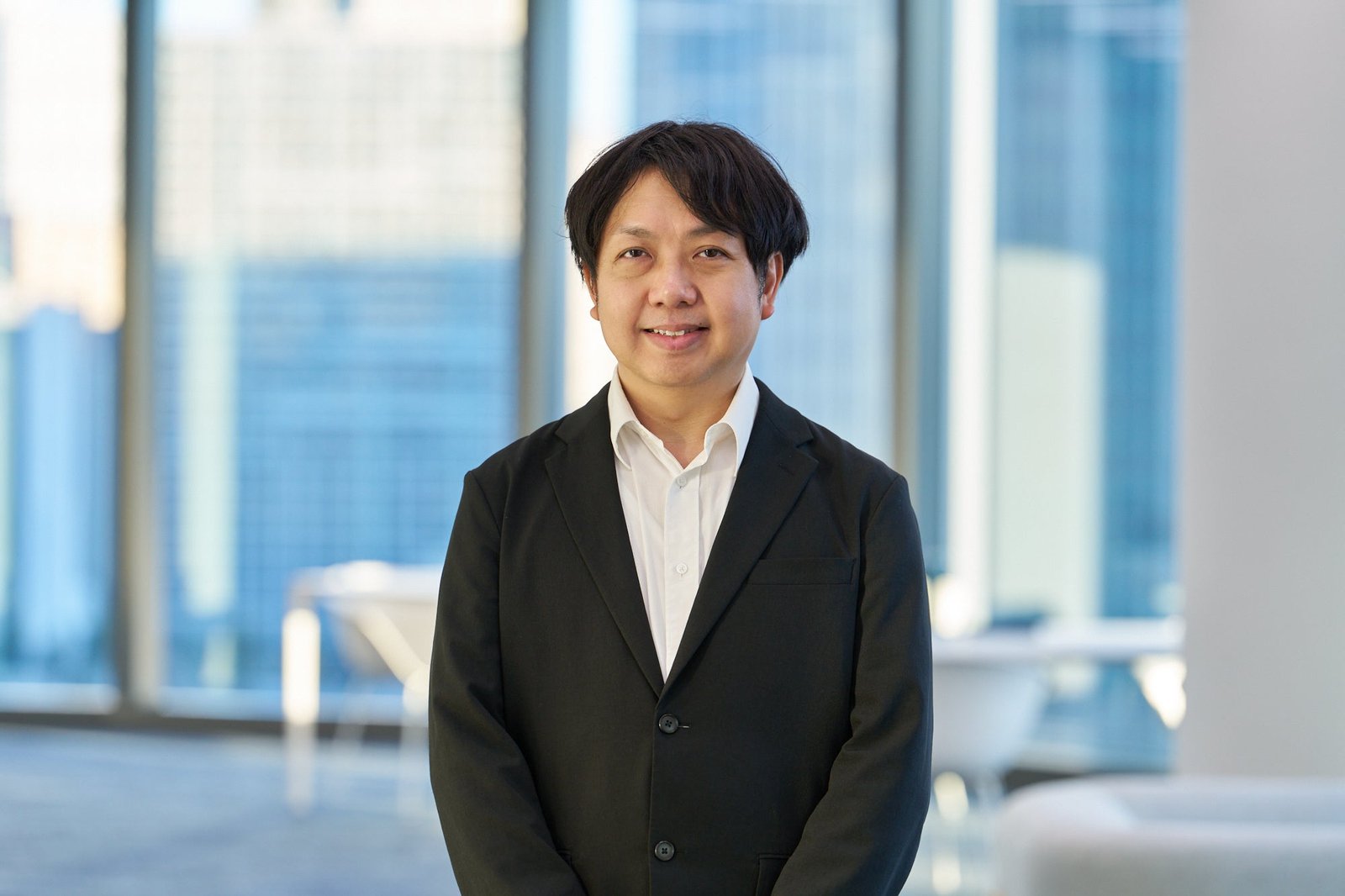
“When opportunities for space experiments were scarce, ‘where to run the experiment’ was a question with no choice. Now that the options have grown—the stratosphere, small satellites, commercial space stations—I think it was very meaningful that researchers and businesses could sit at the same table and lay out their expectations and constraints. What we are working on with SPACE LAB. and SpaceAgent is making space experiments small, fast and repeatable as many times as needed. If experiments in space become an everyday research tool rather than a special one-off, we will be able to answer the questions of the researchers gathered here faster and in greater number. Toward our goal of assembling by 2040 the technologies people need to live in space, we will build those venues for experiments together with everyone we joined today.”
—Kengo Suzuki, Director of SPACE LAB., Spacenome Inc. / Representative Director and CEO, Space Seed Holdings Inc.
The 40th JSBSS Annual Meeting overview
- Name: The 40th Annual Meeting of the Japanese Society for Biological Sciences in Space (The 40th JSBSS Annual Meeting)
- Theme: Excited about Space, Thrilled by Life
- Dates: Thursday, September 17, 2026 (satellite sessions); Friday–Sunday, September 18–20 (main meeting)
- Venue: Sapporo Campus, Hokkaido University
- Host: Japanese Society for Biological Sciences in Space
- Meeting president: Tomomichi Fujita (Faculty of Science, Hokkaido University)
- Organizing committee chair: Masahiro Sonoshita (Institute for Genetic Medicine, Hokkaido University)
- Program: seven symposia, general poster presentations, a poster session by elementary, junior and senior high school students, the public lecture “From Hokkaido to Space,” and a panel discussion
- Official page: https://jsbss.or.jp/news/587/
About Spacenome Inc.
- Company name: Spacenome Lab., Inc. (formerly NEST EdLAB Inc.)
- Headquarters: Iidabashi Miyuki Building, 1-4 Shimomiyabicho, Shinjuku-ku, Tokyo
- Representative: Daigo Fujita, Representative Director
- Business: discovering and designing research themes that use the space environment (SPACE LAB.) and nurturing next-generation researchers (NEST LAB.). Active at the forefront of “space × education” since launching, in 2008, a space education project as the first private company to use the paid utilization framework of the Japanese Experiment Module “Kibo” on the International Space Station. Plans orbital observation of the microalga Euglena on the return satellite “AOBA.” A Leave a Nest group company; Space Seed Holdings invested in March 2026.
- Website: https://spacenome.jp/
About Space Seed Holdings Inc.
Space Seed Holdings Inc. is a space-focused deep-tech venture builder whose mission is “Turning science fiction into nonfiction.” Its core business is R&D related to SpaceAgent, a platform that can conduct research autonomously both in space and on the ground, and through operating the “Fermentation and Longevity Fund” program, which supports the social implementation of fermentation and longevity technologies, it creates businesses that address societal challenges. Together with diverse stakeholders, it aims to assemble by 2040 the technologies humankind needs to live in space.
- Company name: Space Seed Holdings Inc.
- Address: Hamamatsucho Dia Building 2F, 2-2-15 Hamamatsucho, Minato-ku, Tokyo
- Representative: Kengo Suzuki, Ph.D. (Agriculture), Ph.D. (Medicine), Representative Director and CEO
- Established: January 2024
- Website: https://ss-hd.co.jp/