
Space Seed Holdings Visits Sawit Sari Research Station, the Experimental Farm of Universitas Gadjah Mada’s Faculty of Biology
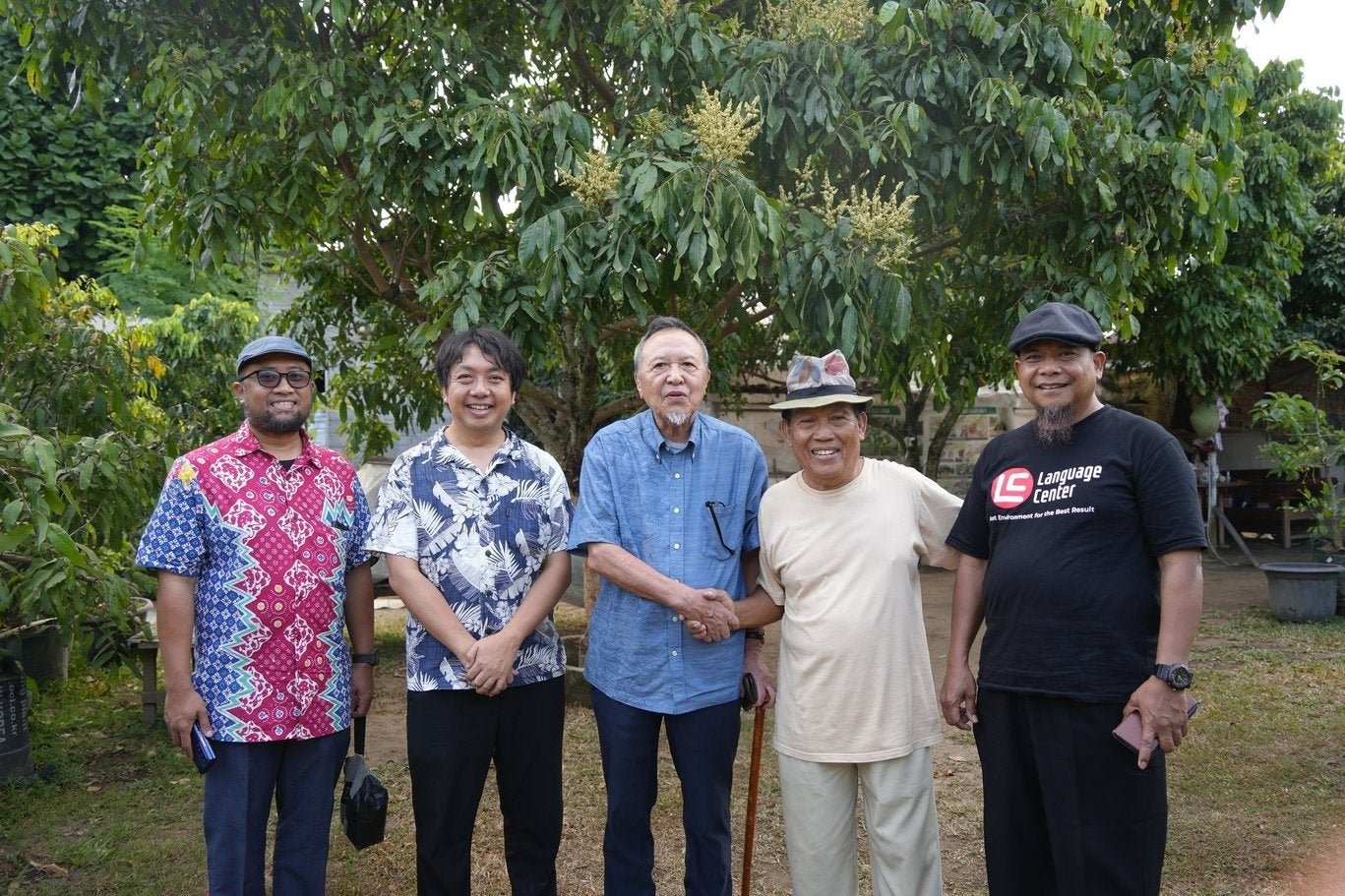
On August 14, 2026, Space Seed Holdings Inc. (Headquarters: Minato-ku, Tokyo; Representative Director and CEO: Kengo Suzuki; “SSHD”) visited the Sawit Sari Research Station (Stasiun Penelitian Sawit Sari) of the Faculty of Biology, Universitas Gadjah Mada (“UGM”), in Sleman Regency, Special Region of Yogyakarta, Indonesia. Hirohide Nakamura, Chairman of AAI Co., Ltd. (Asia Africa Research, Consulting & Investment; Headquarters: Kurume, Fukuoka), joined the visit.
About the Sawit Sari Research Station. The station is a research farm operated by the UGM Faculty of Biology in Dusun Gejayan, Condong Catur, Depok, Sleman. In addition to research on longan cultivation and propagation (grafting, air layering, pruning, pest and disease control) and technical training for growers, it conducts fruit-tree breeding of mango, durian and other species, and conservation research on horticultural crops and orchids.
Background
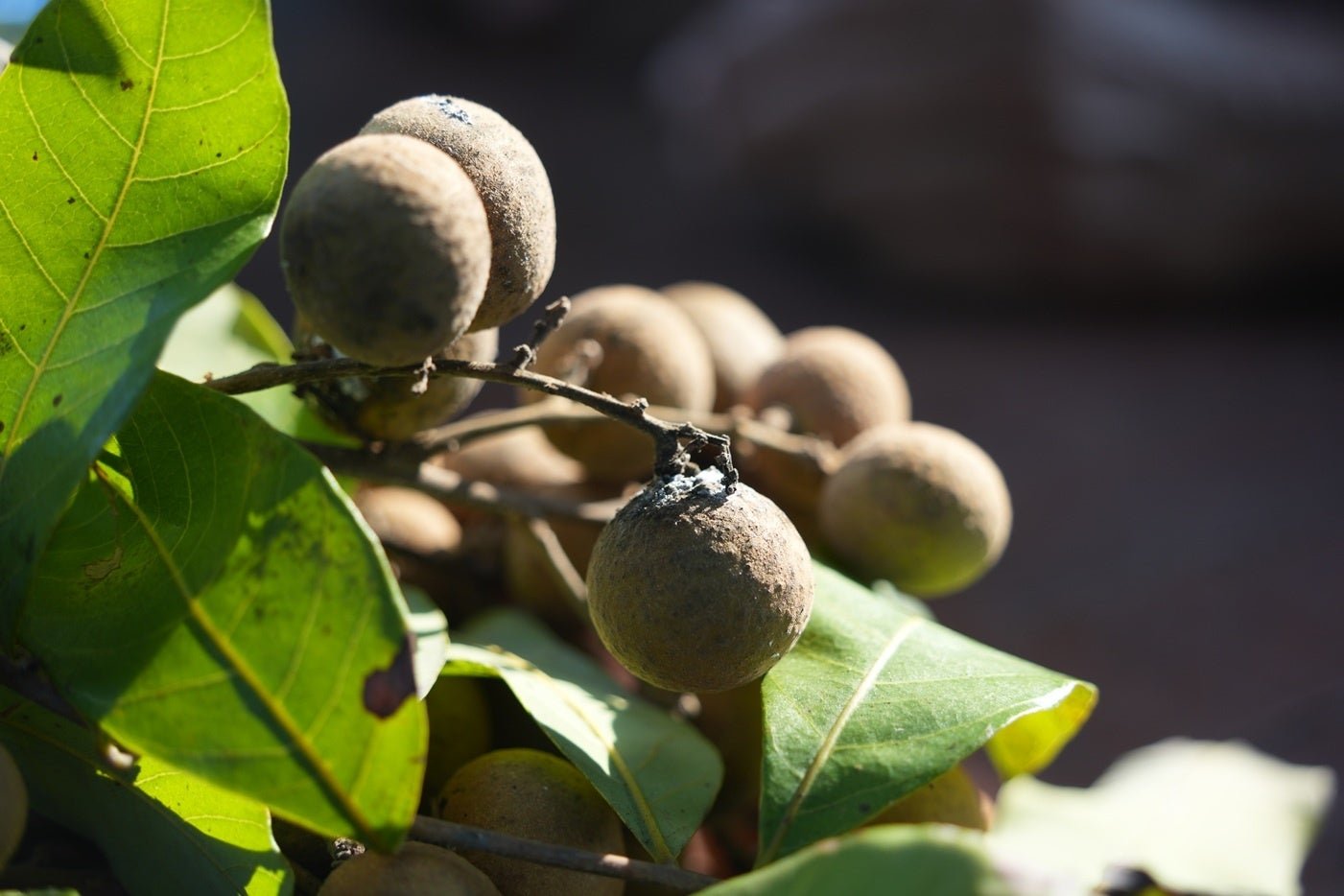
Since August 2025, SSHD has been discussing a model for regional industrial development in Yogyakarta centered on “New Crystal,” an improved Indonesian longan variety (locally called kelengkeng), with Professor Budi S. Daryono and Professor Eko Agus Suyono of the UGM Faculty of Biology and Ahmad Janan, chairman of APKM (Asosiasi Petani Kelengkeng Mandiri). The parties are also exploring genome analysis and gene-expression profiling using UGM’s Integrated Genome Factory (IGF), established in 2024.
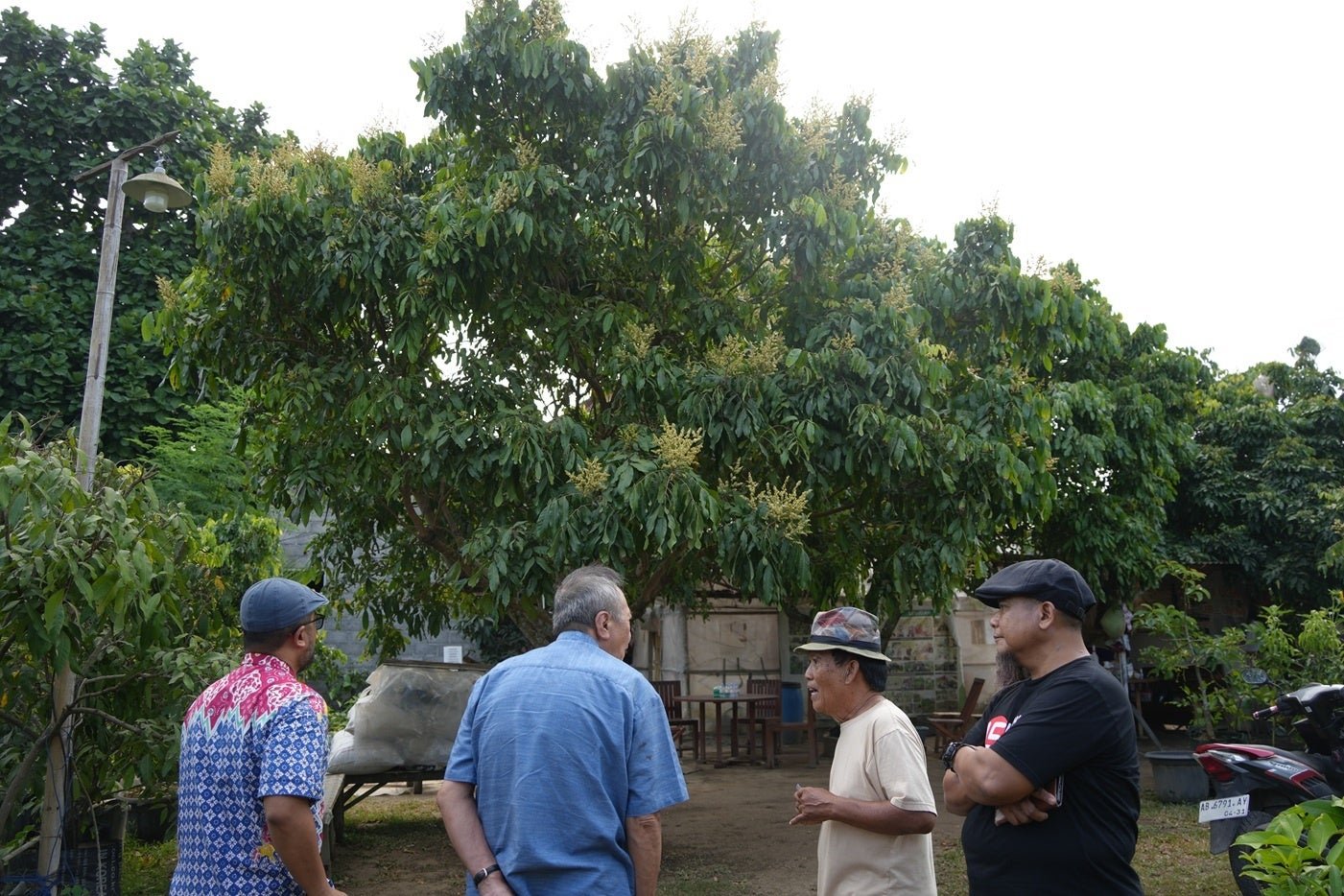
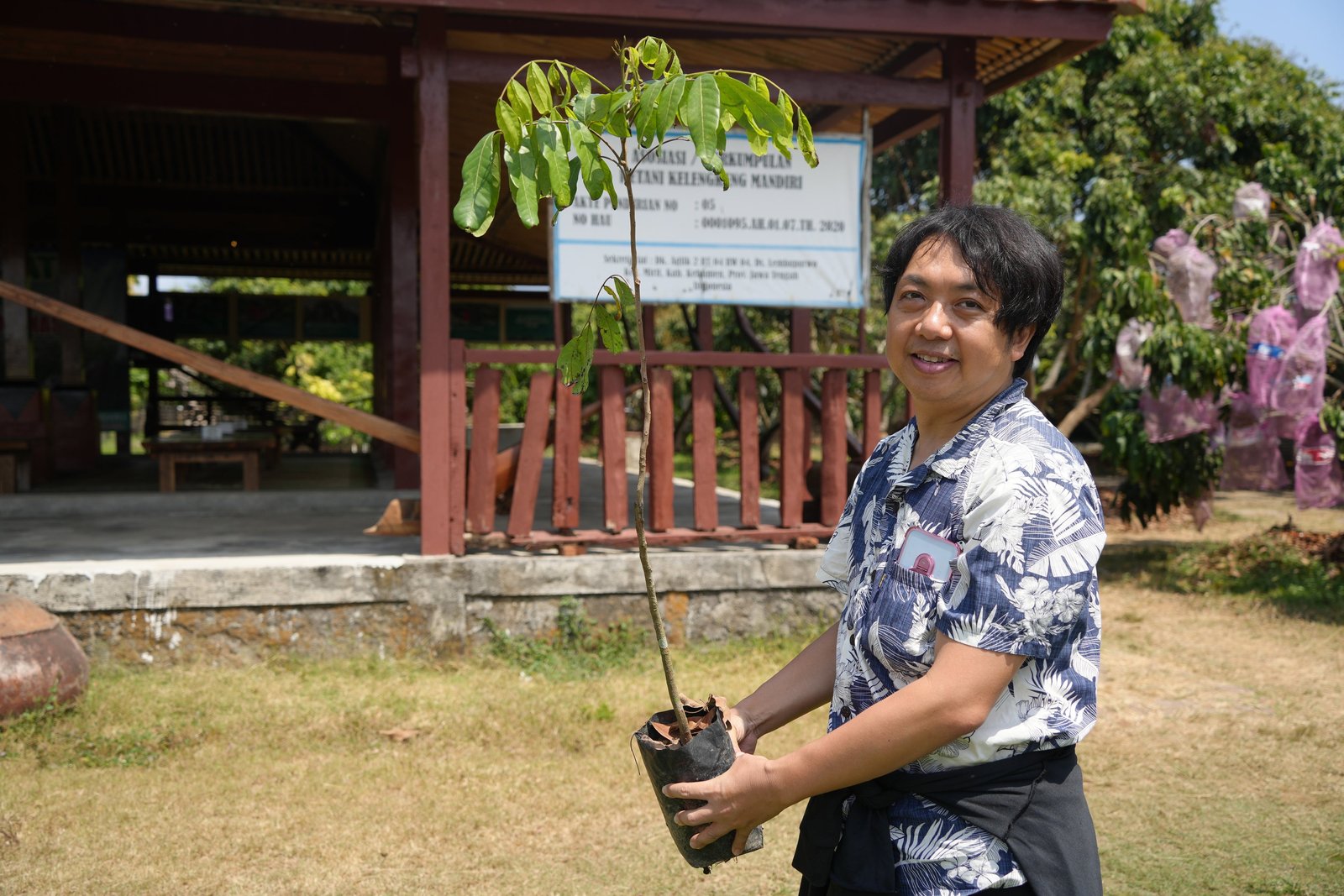
The purpose of this visit was to see the “field” that underpins that scientific foundation—the experimental farm managed by the Faculty of Biology—and to understand how research results are put into practice as seedlings, cultivation and harvests. The station is a base for breeding and propagating longan and other fruit trees and for developing and teaching cultivation techniques. On the day, Yusuf Sulaiman, S.I.P., who is in charge of longan cultivation and propagation at the station and also teaches training courses for growers, guided the visit.
1. Seedling quality as the starting point of an industry: understanding propagation by grafting
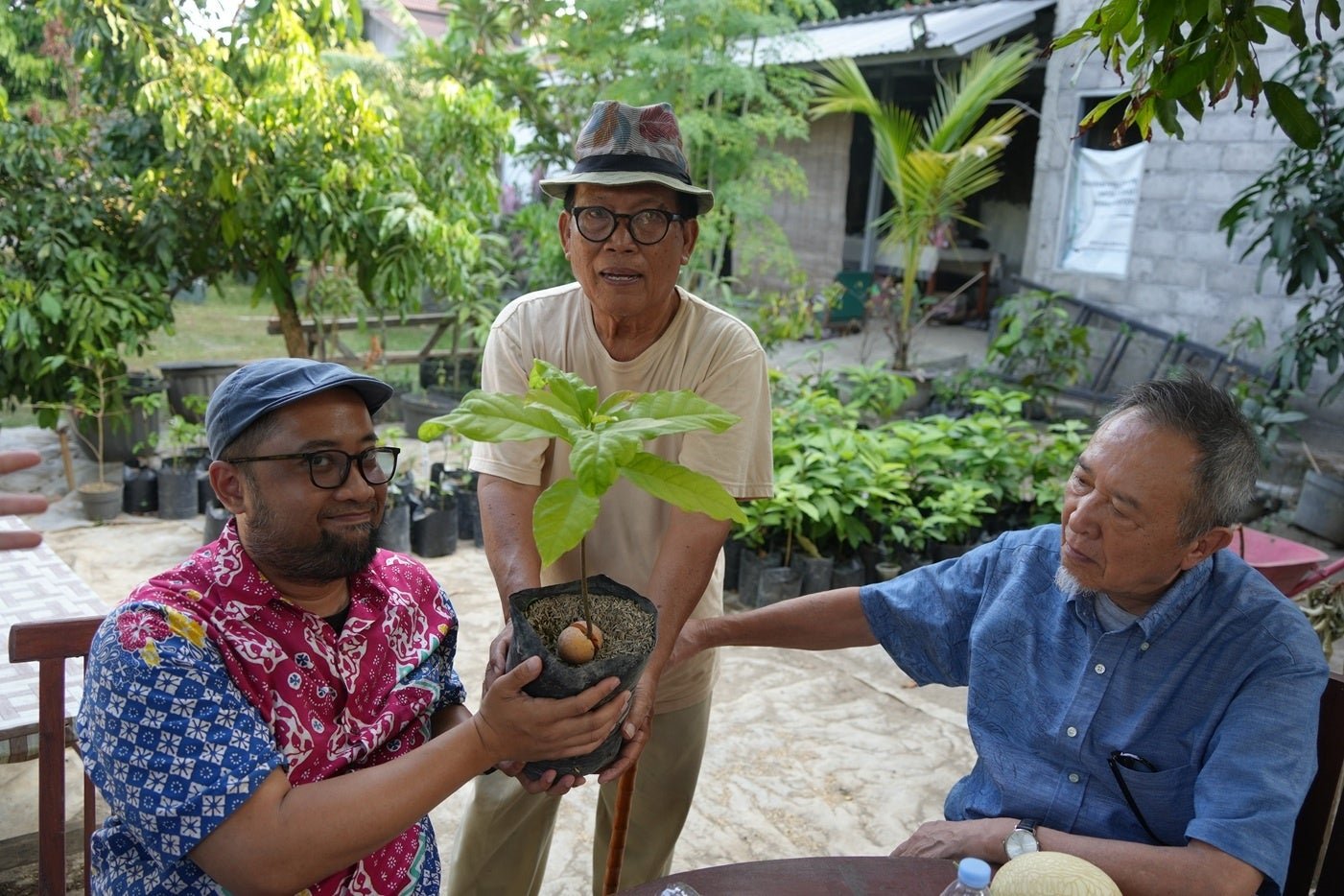
The visit began with an explanation of the station’s role as a base for propagating longan seedlings, and of how different propagation methods, including grafting, determine seedling quality.
In fruit trees, seedlings grown from seed do not reproduce the parent’s fruit traits and take many years to bear fruit. Vegetative propagation by grafting—joining a scion from a superior tree onto a rootstock—or by air layering yields plants that inherit the mother tree’s traits and start bearing earlier. The choice of mother tree for scions, compatibility with the rootstock, and skill in post-grafting care go on to determine vigor, yield and fruit quality for years.
In other words, the uniformity and reproducibility of quality in a producing region are largely set before field cultivation, at the stage of deciding “from which tree, and by what method, seedlings are made.” SSHD confirmed, together with on-site practice, that this most upstream step of seedling propagation is decisive as the starting point for industrialization and branding.
2. Potential to produce high-value commercial crops
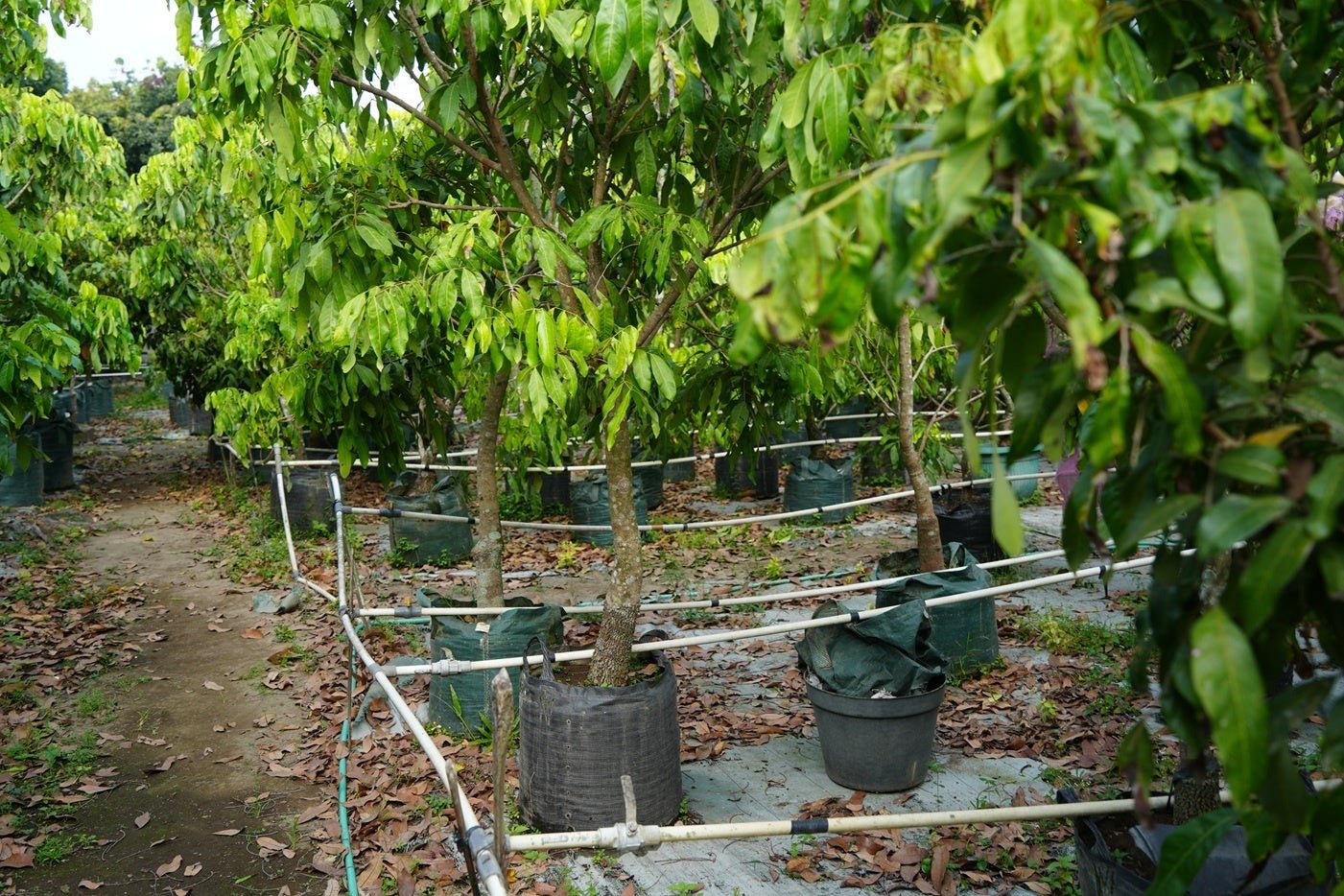
The visitors also tasted melons and other fruit grown at the station. Seeing the growing conditions for fruit and fruit vegetables in the tropics and the quality of the harvested fruit gave SSHD confidence that the area can produce high-value commercial crops beyond longan.
A flow in which varieties and cultivation methods are tested on a research institution’s farm and the resulting techniques are transferred to growers is important for building an industry rooted in the region, rather than a one-off export commodity.
3. From subjective to objective “deliciousness”: branding through measuring sugar and aroma and evaluating function
What SSHD found most promising was the approach of making taste evaluation objective through science.
The value of fruit has tended to rest on subjective judgments of whether it tastes good. By quantifying sugar content, acidity and sugar-to-acid ratio, along with the aroma compounds that make up its scent, with analytical instruments, flavor can be described as reproducible data. Investigating the functional components a fruit contains and their physiological effects adds a second axis—“value to the body”—alongside taste.
Such objective data become a foundation for asserting the advantages of a variety or region with scientific evidence, and provide clear metrics for improving cultivation methods and optimizing post-harvest conditions. SSHD confirmed the possibility of branding the region’s crops together with UGM by combining UGM’s research infrastructure with the station’s fields.
4. Fruit fermentation as an outlet: “strain selection × cultivation through harvest × post-harvest”
SSHD also confirmed potential in fruit fermentation. Fermentation not only gives new uses and shelf life to fruit that is difficult to transport or store fresh, but also creates value different from the raw material through changes in aroma compounds and conversion of components.
Through the visit, SSHD again recognized that the value of fruit is built up through successive stages—
- selection of the fruit tree (from which mother tree, and by what method, seedlings are made)
- cultivation through harvest (crop management and judging harvest timing)
- post-harvest (sorting, storage, processing and fermentation)
—and that each stage offers many opportunities to create value through scientific approaches.
Next steps
Together with the UGM Faculty of Biology, AAI and other partners, SSHD will consider building a framework that covers everything from seedling propagation through cultivation, harvest, post-harvest handling and functional evaluation, and will develop it into an implementation example of an ASEAN–Japan circular food and agriculture model.
Comment
“In the fields, I saw again that science has room to make a difference at every stage of the value chain—from the entrance, how seedlings are made, to the exit, processing and fermentation after harvest. In particular, the fact that the quality of grafted seedlings determines fruit quality years later is very instructive for thinking about industrialization. By treating deliciousness not as an impression but as measurable indicators such as sugar content and aroma compounds, and by going as far as evaluating function, I believe we can grow Yogyakarta’s crops into brands that compete globally, together with UGM.”
—Kengo Suzuki, Representative Director and CEO, Space Seed Holdings Inc.
About AAI Co., Ltd.
AAI Co., Ltd. (Asia Africa Research, Consulting & Investment; Headquarters: 356-1 Tori-machi, Kurume, Fukuoka; Chairman: Hirohide Nakamura) conducts research, consulting and investment businesses in Asia and Africa, including Indonesia. Space Seed Holdings took an equity stake in the AAI group in January 2025.
https://www.aai-jp.com/
About Space Seed Holdings Inc.
Space Seed Holdings Inc. is a space-focused deep-tech venture builder whose mission is “Turning science fiction into nonfiction.” Through investment, research and venture creation—centered on operating the “Fermentation and Longevity Fund” program, which supports the social implementation of fermentation and longevity technologies—the company creates businesses that address societal challenges. Together with diverse stakeholders, it aims to assemble by 2040 the technologies humankind needs to live in space.
https://ss-hd.co.jp/