
Space Seed Holdings will participate in the "SPACE FOODSPHERE" program
Space Seed Holdings Corporation announces that in April 2024, it will participate in the SPACE FOODSPHERE program, which will promote research and business development related to a "complete resource recycling and ultra-efficient food supply system" in space and on Earth.
※1 General Incorporated Association SPACE FOODSPHERE Website https://spacefoodsphere.jp/
The Space Food Sphere brings together a wide variety of professionals working in various fields such as food production, resource regeneration, automation and remoteness, ecology, food processing, cooking, space, polar living, business, marketing, finance, and human resource development, to promote more concrete research, development, demonstration, and Collaboration between industry, academia, and government is promoted toward more concrete research, development, demonstration, and social implementation.
Space Seed Holdings' Role in the SPACE FOODSPHERE Program
Space Seed Holdings invests in startups that have the potential to lead to space development, and plans to develop joint research with universities and other research institutions. The "SPACE FOODSPHERE" program is expected to address research and development themes in the three areas of space x fermentation, space x medicine, and space x aquaculture, which will help solve issues both in space and on the ground.
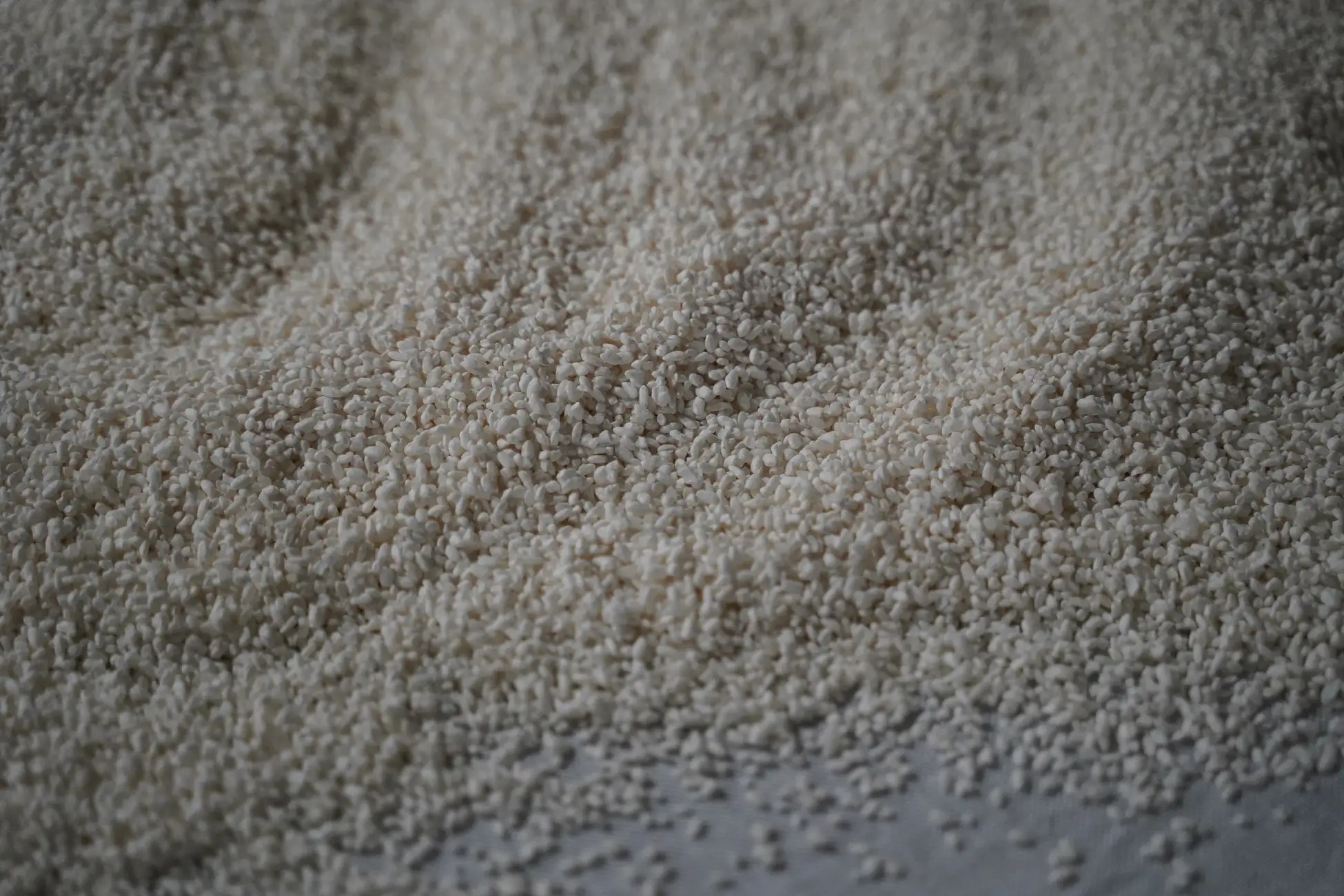
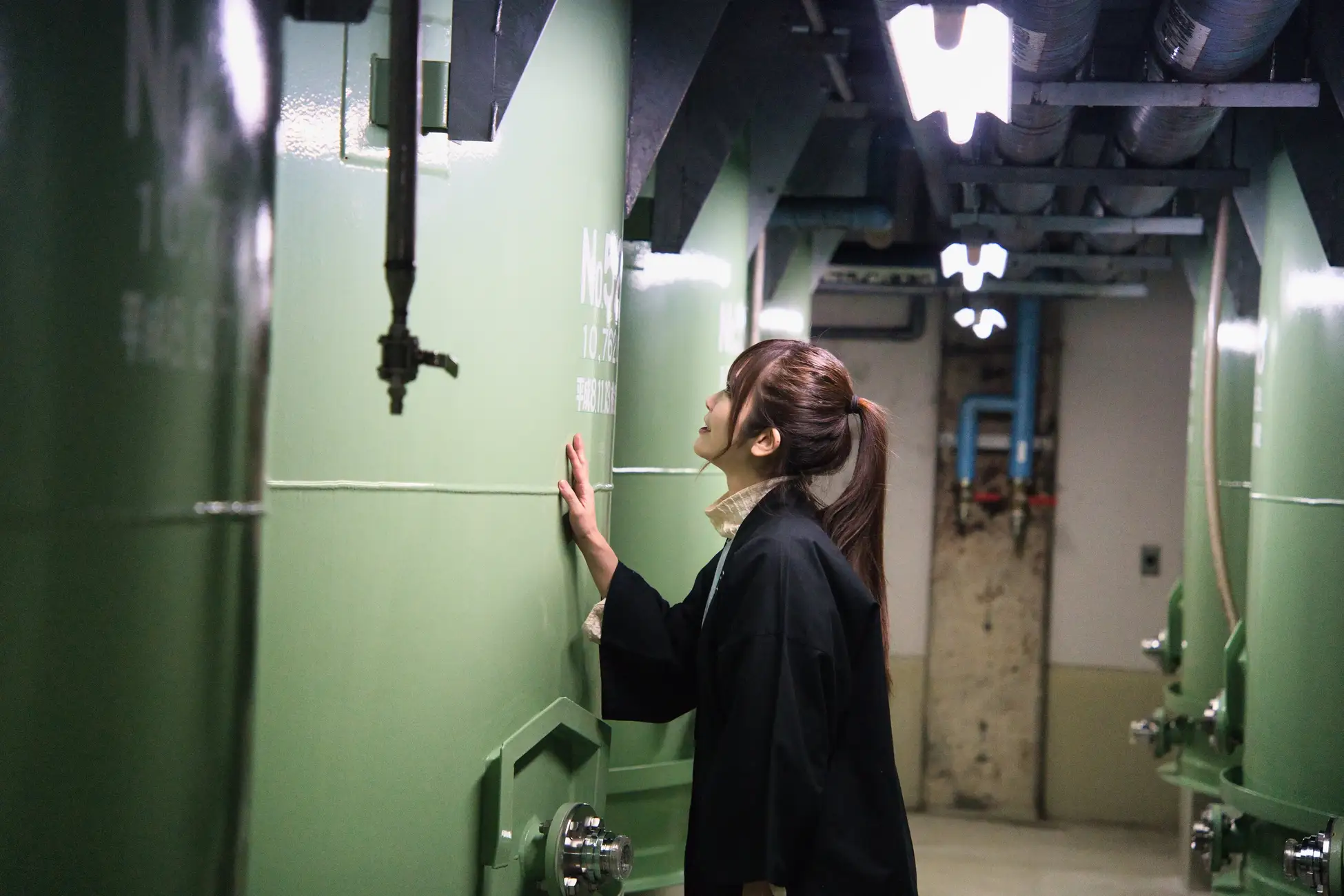
Space x Fermentation
Fermentation has been used on Earth since ancient times as a method of increasing the nutritional value and shelf life of food using limited resources. If these fermentation processes can be effectively designed, taking into account the unique constraints of the space environment (microgravity, high radiation levels, limited space, etc.), it is expected to dramatically improve the material cycle in space and the diversity and quality of space food. Ultimately, the developed results will contribute to improving the quality of life of people living in space, based on the premise of maintaining their health, and will be able to support long-term space missions.
As for research and development, we plan to conduct basic experiments to evaluate the growth conditions and fermentation efficiency of fermentation bacteria under special environments. Specific research activities will include studying changes in fermentation patterns under different culture conditions (pressure, temperature, radiation levels, and components of the culture medium). We also plan to develop management techniques for fermenting organisms in a closed environment and conduct research aimed at the effective utilization of fermentation by-products. For example, we envision the development of a system that utilizes the carbon dioxide produced in the fermentation process for plant growth, and the construction of a complete resource circulation system in space, such as the use of bioactive substances derived from fermented foods to support astronaut health. If useful results are obtained from these studies, they can be applied to life support in a closed environment not only in space but also on Earth, and we plan to use them to build a sustainable life system and services on Earth.
Space×Medicine
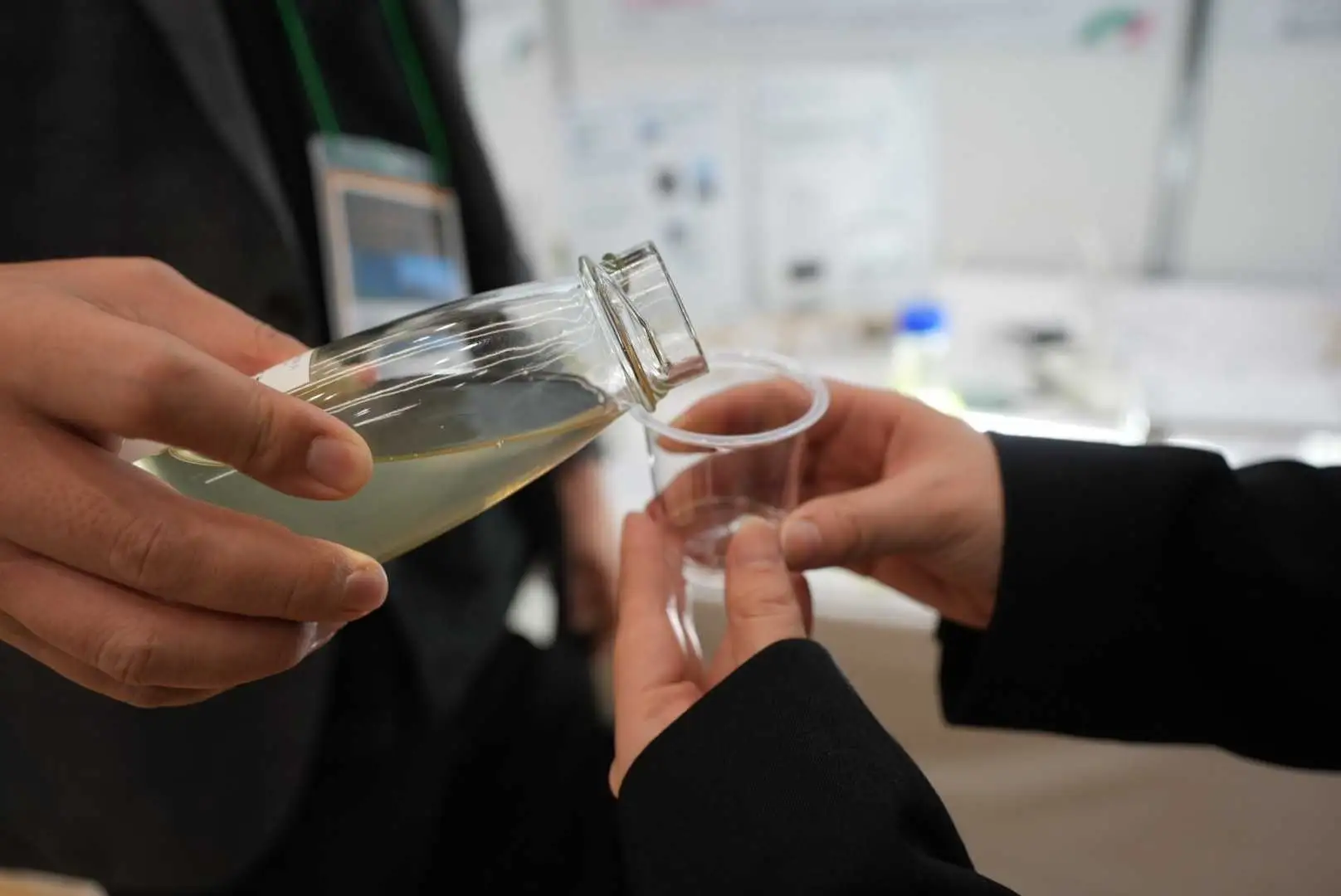
In medical research, exosomes have received particular attention as vesicles that play an important role in intercellular communication. The surface of exosomes contains lipids and proteins derived from cell membranes, while the interior contains nucleic acids (microRNA, messenger RNA, DNA, etc.) and proteins, the roles of which are currently being elucidated. In particular, space is recognized as a harsh environment for living organisms, with high radiation levels and low gravity inducing muscle atrophy, etc. Understanding the behavior and function of exosomes in such a harsh environment is considered very important for providing solutions from a medical perspective. Among other things, studying the impact of exosomes on the aging process is expected to provide new insights into preventing aging-related changes that are likely to be accelerated in space.
The specific research approach is to conduct omics-related analyses of cultured cells in different environments and human clinical trials, as well as a detailed analysis of exosomes to clarify how each environment is involved in the production of exosomes and how exosomes function in the body. The research will also help to elucidate how exosomes function in the body. In the progress of this research, we expect to gain knowledge on how to use exosomes to inhibit aging. Through these research and development efforts, we plan to pursue the possibility of not only making new proposals in the field of space medicine, but also contributing to the advancement of medical technology utilized on Earth.

Space×Cultivation
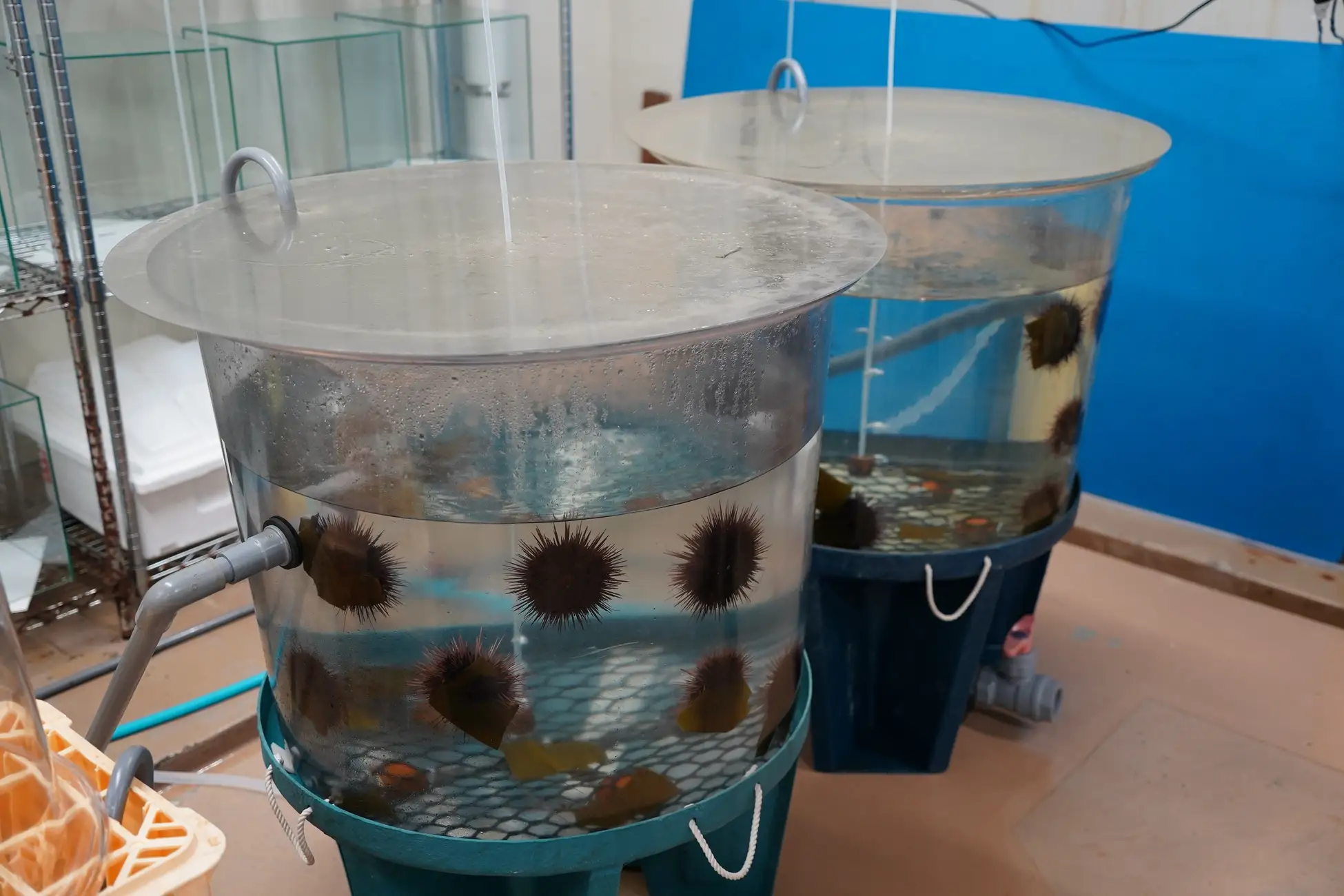
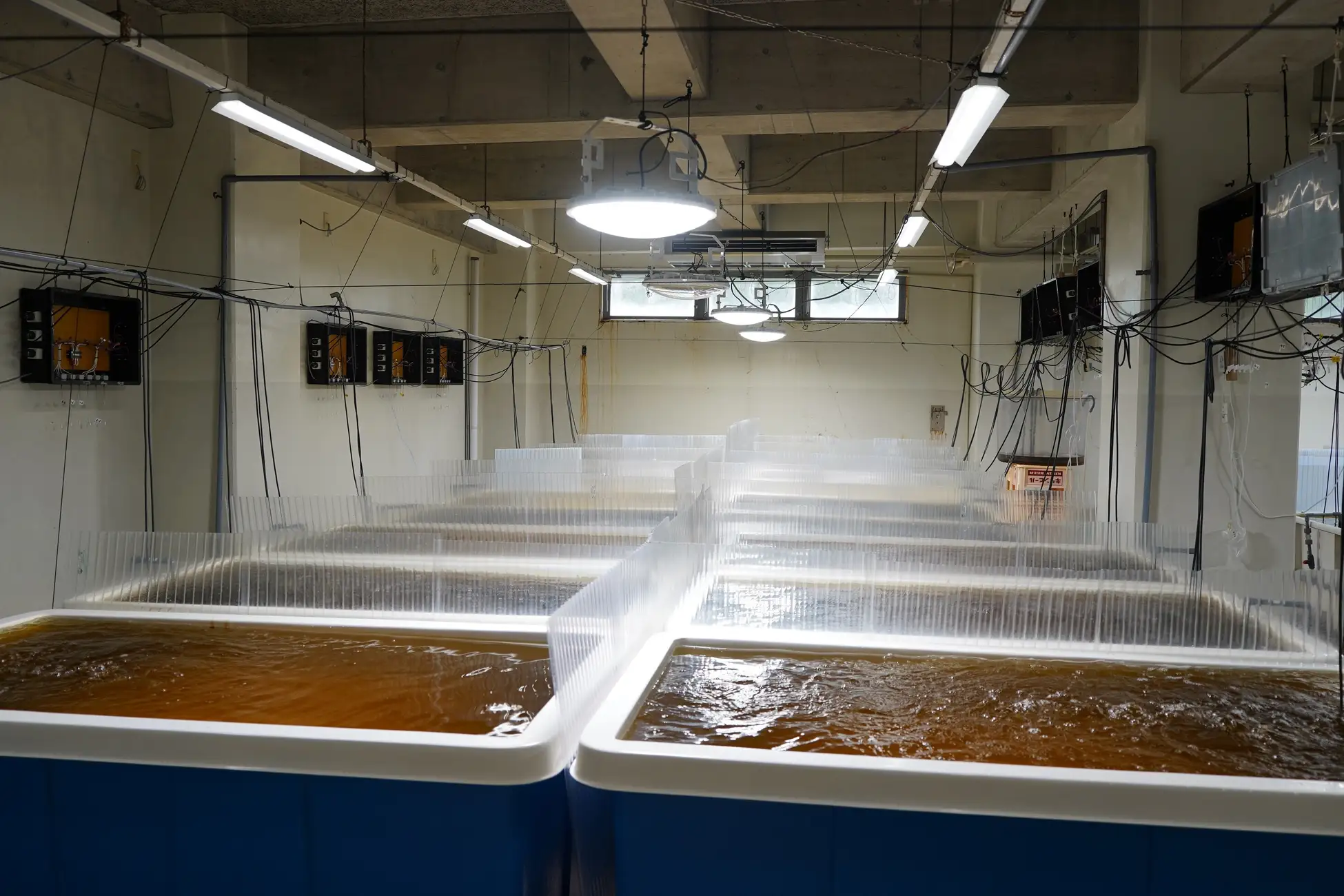
Research on aquatic organisms in space has been conducted for some time, and their effects on living organisms have been gradually elucidated. The results of this research are expected to lead to food self-sufficiency through the realization of breeding aquatic organisms in planetary bases and spacecraft. However, in order to realize this "space aquaculture" in the limited resources and environmental conditions of extraterrestrial space, higher spatial, temporal, and resource efficiency than on the ground is required. In order to solve these problems, it is expected to create organisms that are adapted to the conditions through breeding and to develop breeding infrastructure that enables organisms to be raised even under the unique conditions of space.
For example, it is possible to create "space breeds" that are highly stress tolerant, have excellent food digestion and absorption, and grow quickly by applying selective breeding methods that breed offspring by mating parents with useful traits, and genome editing technology that artificially produces individuals that can be born through mutation. Alternatively, if fluid control technology under low gravity is applied, it may be possible to develop low-cost, high-density breeding equipment that cannot be achieved with conventional technology. By developing aquaculture species and technologies for use in the space, we not only contribute to securing a sustainable food source in space, but also to the development and establishment of food production technologies in limited space on the ground, such as in polar regions and deserts.
Space Seed Holdings

Space Seed Holdings Corporation, with a mission to "make science fiction non-fiction," is working to solve societal problems by searching for new technology topics, investing in and nurturing startups, and conducting joint research with universities and other organizations. Ultimately, we aim to work with various stakeholders to develop the technologies needed to live in space. In the future, we plan to use our in-house academic knowledge and network to continue our science-based dialogue with society based on "science" x "narrative", while proactively providing new services and products to address social issues.